Blog

  • eSIM International Calling Guide: Everything You Need to Know in 2026

    eSIM International Calling Guide: Everything You Need to Know in 2026

    Imagine landing in a new country and, thanks to eSIM international calling, instantly connecting without the hassle of swapping SIM cards or worrying about expensive roaming fees. eSIM technology is transforming how we stay in touch abroad, making international communication easier than ever for travelers and global professionals.

    As 2026 approaches, the need for more flexible, affordable, and stress-free ways to connect across borders is only growing. This guide covers everything you need to master eSIM for international calling—from setup tips to plan selection and best practices. We’ll explore eSIM basics, compare physical SIM cards, walk through setup on your devices, break down data versus voice plans, discuss pros and cons, and show you how to maximize flexibility with tools like ZippCall.

    Got a Data-Only eSIM? Here’s How to Call Any Phone Number

    Here’s the reality most travelers discover too late: most eSIM plans are data-only. They’re great for browsing and messaging apps, but they won’t let you call a landline, mobile number, or receive SMS verification codes.

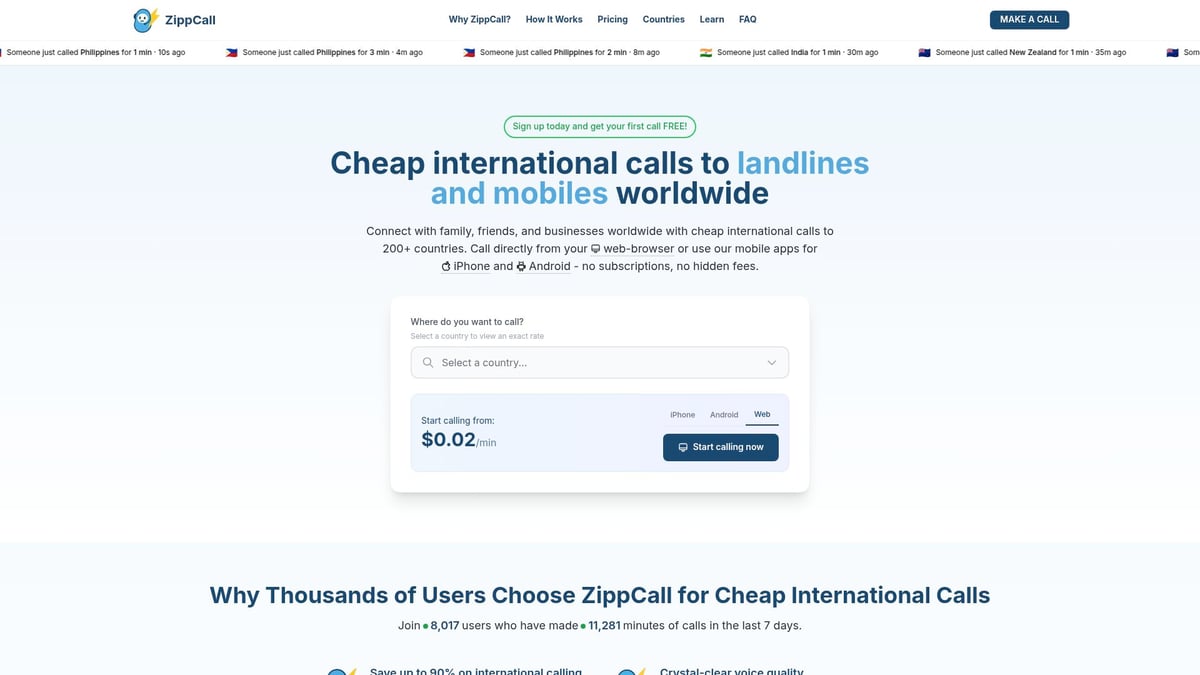
    If you’ve already got an eSIM for data and need to make a real phone call, ZippCall solves this instantly:

    • Works over any data connection – Your eSIM data, hotel WiFi, anywhere with internet
    • Call ANY phone number – Landlines and mobiles in 200+ countries (not just app-to-app)
    • Multiple ways to call – Use the iPhone app, Android app, or call directly from your browser
    • Rates from $0.02/min – Far cheaper than voice-enabled eSIM plans
    • First call FREE – Test it before you commit

    Simply connect to the internet using your eSIM data, open the ZippCall app or visit web.zippcall.com, and dial any number worldwide. No voice plan needed, no hunting for local SIMs—just instant calling.

    If you want to understand all your eSIM options and how to set everything up, keep reading below.

    Understanding eSIM Technology for International Calling

    Imagine preparing for your next adventure and realizing you can connect globally with just a few taps. Let’s explore how eSIM international calling is changing the way we stay in touch across borders.
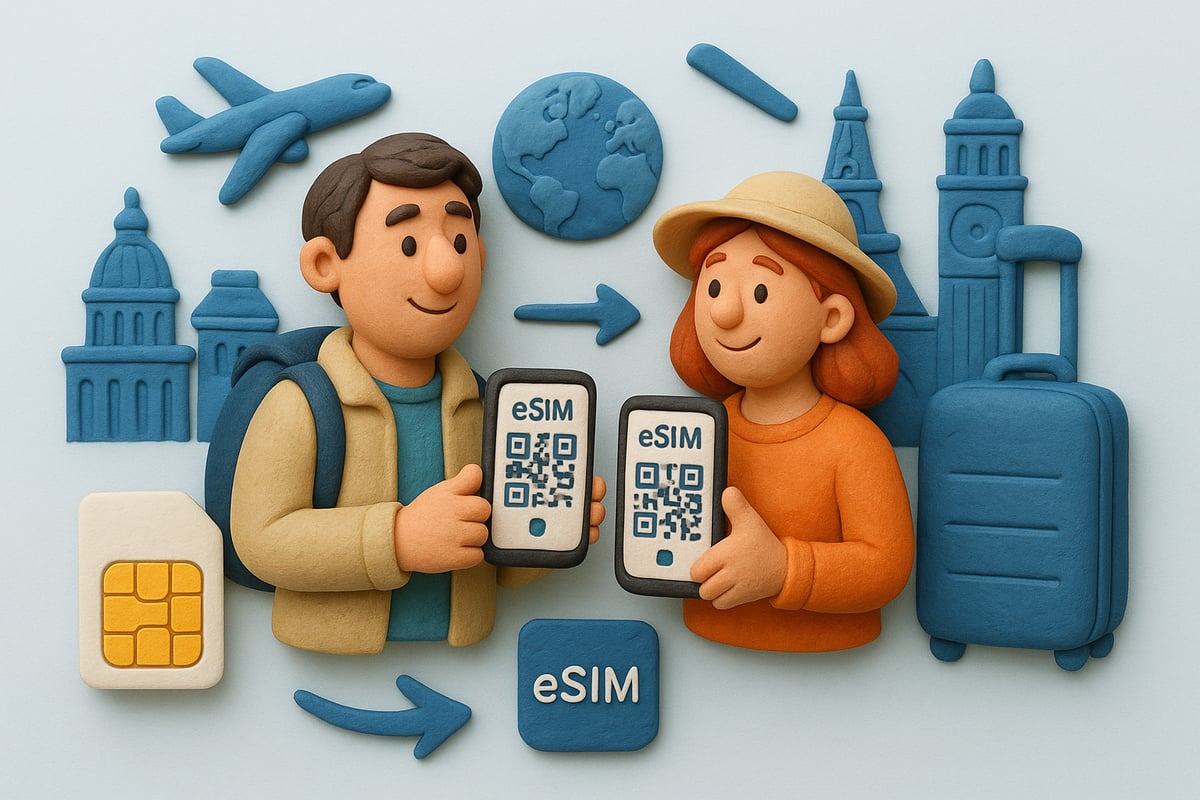
    Understanding eSIM Technology for International Calling

    What is eSIM?

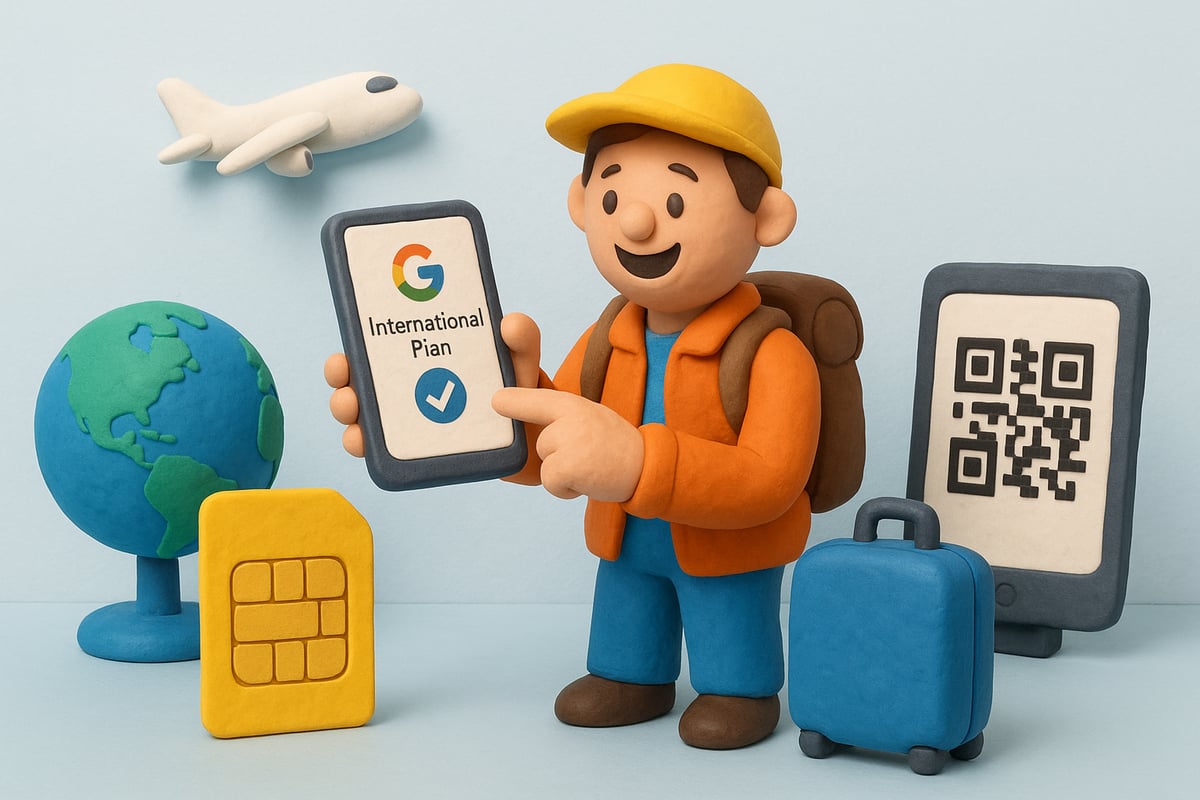
    An eSIM, or embedded SIM, is a small chip built directly into your device. Unlike traditional SIM cards, you do not need to swap anything physical. Instead, you download your carrier profile digitally.

    This technology lets you activate a plan instantly, right from your phone or tablet. The adoption of eSIM is rising in smartphones, tablets, and even IoT gadgets. It’s a game changer for eSIM international calling, letting you stay connected without hunting for a local SIM.

    How eSIM Transforms International Communication

    For travelers, eSIM means no more fiddling with tiny SIM trays at airport lounges. You can store and switch between multiple carrier profiles on one device—perfect for those who cross borders often.

    Instant activation is a huge perk. You can buy a plan online, scan a QR code, and be ready to use eSIM international calling in minutes. This flexibility lets you stay in touch with family, friends, or colleagues wherever you go.

    eSIM Compatibility and Device Support

    Most recent iPhones, many Androids, select iPads, and wearables now support eSIM. Brands like Apple, Samsung, and Google lead the way. By 2026, over 600 million eSIM-enabled devices are expected to ship globally, with even more joining the market each year. You can read more about these trends in eSIM-enabled device shipments to exceed 633 million by 2026.

    However, not every device or region supports eSIM yet. Always check your device’s specs and local carrier support before choosing international calling eSIM options.

    eSIM vs. Physical SIM for International Calling

    Travelers and expats love the convenience of eSIM. No need to risk losing or damaging a SIM card. Security is improved since your profile is stored digitally, reducing theft risk.

    Recent studies show eSIM adoption rates are climbing, but traditional SIMs are still common in many regions. For eSIM international calling, eSIM lets you add plans without waiting in line at a shop or kiosk.

    Key Use Cases: Who Benefits Most?

    Frequent travelers, digital nomads, and remote workers benefit greatly from eSIM international calling. Business professionals needing multiple numbers for different countries find eSIM a lifesaver.

    For example, an international student can keep both their home and local number active on one device. This flexibility makes international calling eSIM plans a top choice for anyone who needs reliable, borderless communication.

    Choosing the Right International eSIM Plan

    Selecting the best eSIM international calling plan can feel overwhelming, but it becomes much simpler when you know what to look for. Let’s break down your options so you can travel, work, and stay connected with total confidence.
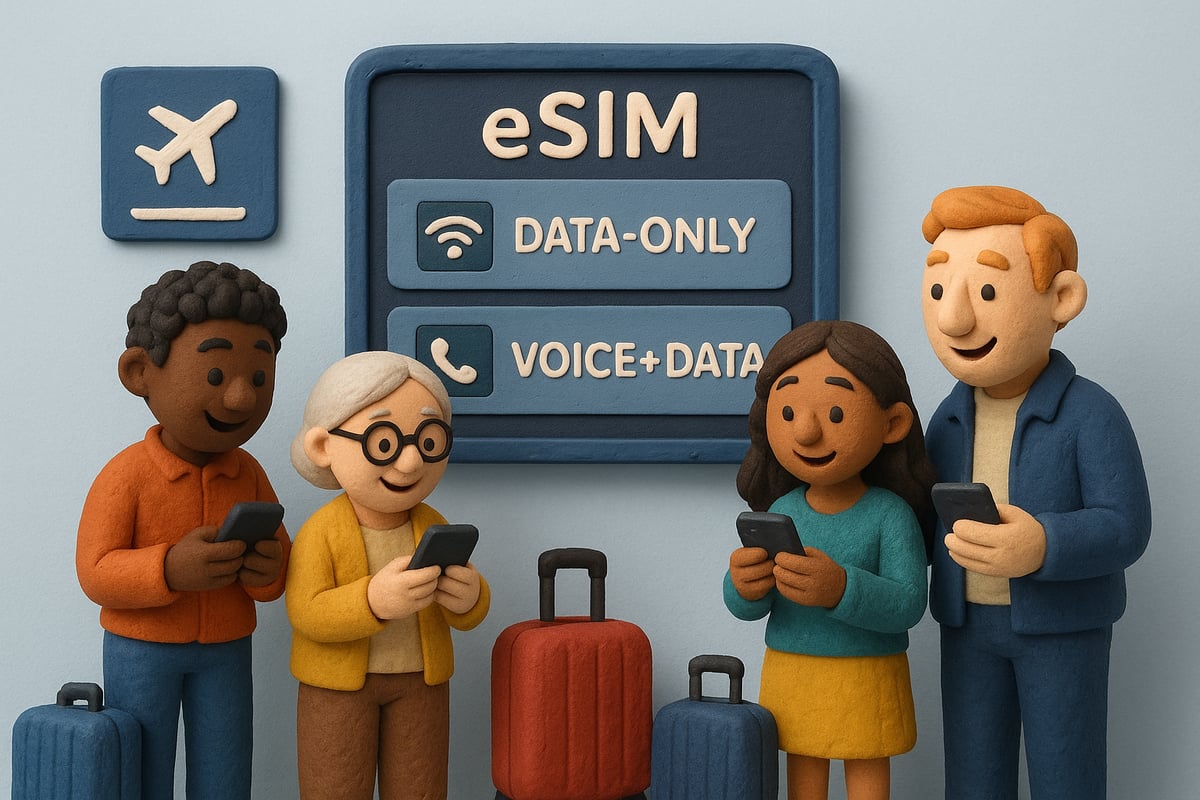
    Choosing the Right International eSIM Plan

    Types of International eSIM Plans

    When searching for an eSIM international calling solution, you’ll encounter two main types: data-only and voice-enabled plans. Data-only eSIMs let you use mobile internet, which powers messaging apps and web browsing. Voice-enabled eSIMs include call and SMS capabilities, but are less common and usually pricier.

    Providers offer different coverage, too. Some focus on regional or global plans, while others sell country-specific options. Popular providers include Airalo, Truphone, Ubigi, GigSky, and local carriers. Always check if your destination is covered before you buy.

    • Data-only: Airalo, GigSky, Ubigi (some)
    • Voice-enabled: Truphone, Ubigi (select countries)
    • Regional/global: Airalo, Truphone
    • Country-specific: Local carriers, some Airalo plans

    Limitations of Data-Only eSIMs

    Most eSIM international calling plans are data-only, meaning they don’t provide a real phone number for calls or SMS. This impacts your ability to make or receive traditional phone calls, especially for services that require a local number.

    Apps like Airalo and GigSky focus on these data-only options. For calls to real phone numbers (landlines and mobiles), you’ll need to rely on VoIP services. Check out our guide on how to make international calls online to ensure you stay in touch, even without voice service.

    Key limitations of data-only eSIMs:

    • No local phone number
    • Can’t receive SMS for verification
    • Relies on internet-based calling apps to reach landlines/mobiles

    Voice-Enabled eSIM Plans: What to Know

    True voice-enabled eSIM international calling plans are rare and often cost more. They’re ideal if you need to keep your number active for banking, two-factor authentication, or business purposes. Coverage can be limited, and not all devices or countries support these plans.

    Providers like Truphone and Ubigi offer voice in select regions. Always check device compatibility and whether inbound/outbound calling is supported where you’ll be traveling.

    • Fewer providers, higher cost
    • Limited country coverage
    • Useful for business and essential calls

    Comparing Plan Pricing and Coverage

    Prices for eSIM international calling plans vary widely. Data-only plans can start from just a few dollars for limited data, while voice-enabled options can be significantly more expensive.

    Watch for data caps, speed throttling, and fair use policies. Global plans usually cost more, but may offer better flexibility if you’re visiting multiple countries. Coverage also differs by continent, so research which providers perform best in your destination.

    Provider Plan Type Voice/SMS Price Range Regions Covered
    Airalo Data-only No $5–$50 Global, regional
    Truphone Voice+Data Yes $20–$100 Select countries
    Ubigi Voice+Data Yes $15–$80 EU, Asia, more
    GigSky Data-only No $10–$60 Global, regional

    How to Assess Your International Calling Needs

    To choose the right eSIM international calling plan, start by considering how often you’ll make calls and for how long. Do you need a local number, or is app-based calling enough? Business travelers might need voice-enabled plans, while tourists may do fine with data-only plus a service like ZippCall.

    Think about the types of calls you’ll make, and whether you need to receive verification texts or calls from home. For international calling eSIM users, flexibility is key.

    • Frequency of calls (daily, weekly, occasional)
    • Importance of keeping your home number
    • App-based calls vs. traditional voice to landlines/mobiles

    Key Considerations Before Purchase

    Before you buy an eSIM international calling plan, double-check your device’s compatibility and ensure it’s unlocked. Review the activation process—some providers require scanning a QR code, while others use app-based setup.

    Customer support can be vital if you run into issues abroad. Also, look for clear refund or cancellation policies in case your plans change unexpectedly.

    • Device compatibility and unlock status
    • Activation steps and support quality
    • Refund/cancellation options

    Step-by-Step: Setting Up eSIM for International Calling

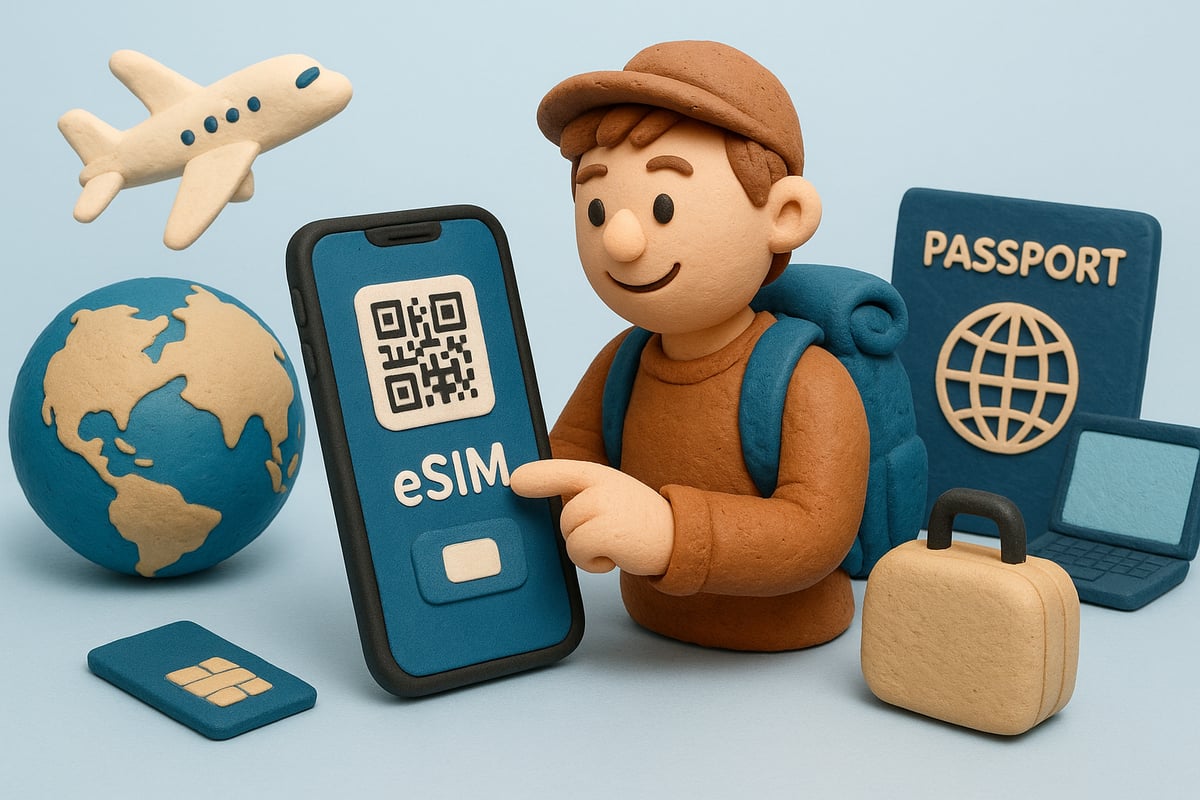
    Getting started with eSIM international calling is easier than you might think. Let’s walk through each step together, so you can avoid surprises and stay connected wherever your travels take you.
    Step-by-Step: Setting Up eSIM for International Calling

    Preparing Your Device

    Before diving into eSIM international calling, let’s make sure your device is ready. First, check if your phone or tablet supports eSIM and isn’t locked to a specific carrier. Most newer iPhones, Google Pixels, and Samsung models are eSIM compatible, but it’s always good to double-check.

    Next, back up your important contacts and data. This precaution helps you avoid any hiccups if you need to reset your network settings during setup. Finally, update your device to the latest operating system for smoother activation and fewer bugs.

    Purchasing and Activating an eSIM Plan

    You can buy an international eSIM from official carrier websites, third-party apps, or even airport kiosks. Popular providers include Airalo, Truphone, Ubigi, and GigSky. After purchasing, you’ll receive a QR code by email or in-app.

    To activate, open your device’s camera or SIM Manager and scan the QR code. If scanning isn’t possible, some providers let you enter activation details manually. Follow the prompts to download your plan and confirm activation. Keep the confirmation email handy until you’ve tested your connection.

    Installing eSIM on iPhone

    On iPhone, setting up eSIM international calling is straightforward. Go to Settings, tap Cellular, then Add Cellular Plan. Scan your eSIM QR code, or enter the details if prompted. You may be asked to label your new plan—choose something memorable like “Travel eSIM.”

    If you run into errors, restart your iPhone and try again. Make sure WiFi is on during activation. For dual SIM setups, assign your eSIM for data or calls as needed in Cellular settings, giving you control over which plan is active.

    Installing eSIM on Android

    For Android users, steps differ by brand. On Samsung, open Settings, go to Connections, then SIM Manager, and tap Add Mobile Plan. On a Google Pixel, go to Network & Internet, tap SIMs, and choose Add SIM.

    Scan your QR code or enter details manually. If your device supports dual SIM, you can toggle between plans or set your eSIM as primary for data and calls. Always restart your phone after installation to ensure the new profile is active.

    Testing Your eSIM Connection

    Once activated, check if your data and (if available) voice services are working. Open your browser, make a quick call, or use WhatsApp to confirm connectivity. For dialing instructions specific to your destination, consult our how to call guides for extra support.

    Testing now ensures you’re ready for seamless international calling eSIM experiences on arrival. If issues arise, contact your provider’s support or repeat the activation steps.

    Maximizing International Calling with eSIM: Data-Only vs. Voice Options

    Staying connected while abroad is easier than ever with eSIM international calling. Still, the landscape can be confusing, especially when it comes to voice versus data options. Let’s break down how to maximize your flexibility, save money, and make every call count—whether you’re a frequent traveler, a digital nomad, or a global professional.

    The Reality: Most eSIMs Are Data-Only

    Most international travelers quickly discover that the majority of eSIMs are designed for data, not voice. This is a key fact in the eSIM international calling world. Providers like Airalo and GigSky focus on offering affordable data-only plans, which let you browse, stream, and message but don’t support traditional voice calls or SMS. According to recent industry data, less than 20% of global eSIM plans support voice as of 2026.

    This means that, for most of us, international calling eSIM solutions rely on internet-based alternatives rather than classic phone calls. If you’re expecting to pop in an eSIM and make calls as you would at home, it’s important to know your options and limitations.

    Making Calls Over Data: VoIP & App Solutions

    Luckily, data-only eSIMs open the door to powerful VoIP and app-based calling solutions. Apps like WhatsApp, FaceTime, and Viber use your data connection to make calls worldwide. With eSIM international calling, you can chat with friends, family, or colleagues from anywhere with a stable internet connection.

    App-to-app calling pros:

    • Cost-effective or free
    • Works globally
    • Easy to set up

    App-to-app calling cons:

    • Both users need the same app
    • Can’t call landlines or mobiles directly
    • Emergency calls not supported

    For calling real phone numbers (landlines and mobiles), you’ll need a service that bridges app calling to the phone network. Check out our guide to free international calling apps for more options.

    When You Need a Voice-Enabled eSIM

    There are times when only a real phone number will do. Some services, like banking, two-factor authentication, or business contacts, require voice and SMS support. Voice-enabled eSIMs from providers like Truphone and Ubigi fill this gap, offering plans that include minutes and texts.

    However, these plans come with tradeoffs. They are often pricier, may not cover every country, and sometimes have compatibility restrictions. For critical eSIM international calling needs, check that your device and destination are fully supported before purchasing a voice-enabled eSIM.

    Cost Comparison: Data-Only vs. Voice-Enabled eSIMs

    When weighing your options, cost is a big factor. Data-only eSIMs are generally more affordable, with prices starting as low as a few dollars for short trips. Voice-enabled eSIMs, on the other hand, can cost significantly more per GB or per minute.

    Option Typical Cost Can Call Landlines/Mobiles?
    Data-only eSIM $5-50 No (app-to-app only)
    Voice-enabled eSIM $20-100+ Yes (limited countries)
    Data eSIM + ZippCall $5-50 + $0.02/min Yes (200+ countries)

    Coverage, speed, and fair use policies also vary between providers and regions. To compare rates for specific countries, check our international calling rates.

    Hybrid Approach: Using Data eSIM + VoIP/Calling Apps

    Many savvy travelers and digital nomads use a hybrid approach. By combining a data-only eSIM with VoIP or calling services like ZippCall, you get maximum flexibility. Need more than one number? Manage multiple lines on your device using app-based solutions alongside your international calling eSIM.

    This method lets you keep costs low while staying reachable wherever you are. For most, it offers the best of both worlds: affordable connectivity and versatile calling options.

    Security and Privacy Considerations

    Security matters, especially when you’re making calls abroad. Using public WiFi can expose your data to risks, so relying on your eSIM’s mobile data is often safer. When using apps for eSIM international calling, choose those that offer end-to-end encryption to protect your privacy.

    Before you travel, double-check app settings and use strong passwords. Staying vigilant with your international calling eSIM setup helps ensure your conversations stay secure.

    ZippCall: The Perfect Companion for Data-Only eSIMs

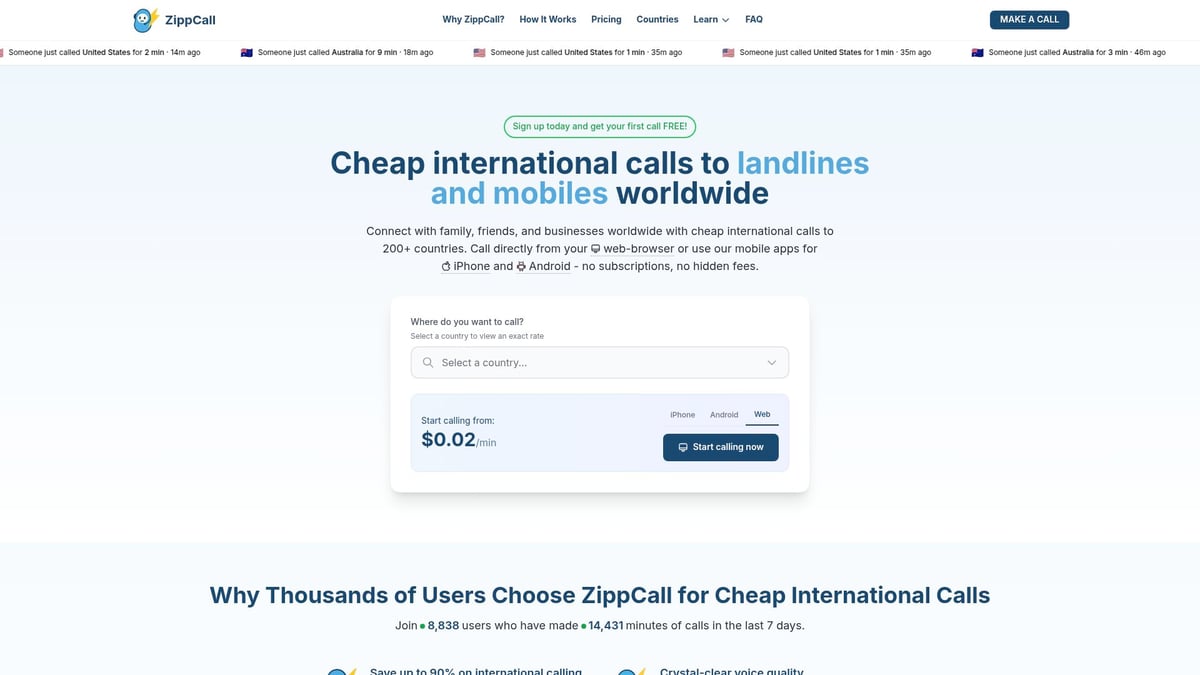
    Travelers and remote workers know that eSIM international calling can be tricky, especially with most eSIM plans offering data only. That’s where ZippCall steps in as the perfect solution, making international calling eSIM simple, reliable, and affordable for everyone.
    ZippCall: The Ideal Companion for eSIM International Calling

    With ZippCall, there’s no need to hunt for a voice-enabled eSIM or juggle multiple SIM cards. You can make calls to landlines and mobiles worldwide, right over your eSIM data connection—even if your plan is data-only.

    Picture this: You’re traveling in Spain with an Airalo data eSIM. You need to call your bank back home, but they only accept calls to their landline number. Instead of searching for local SIM cards or paying expensive roaming fees, you simply open ZippCall, dial the number, and connect instantly. ZippCall bridges the gap, making eSIM international calling hassle-free.

    Why travelers choose ZippCall:

    • Call any phone number – Landlines and mobiles in 200+ countries, not just app-to-app
    • Pay-as-you-go – Rates from $0.02/min, no contracts or hidden fees
    • Works on any deviceiPhone app, Android app, or any web browser
    • First call free – Try ZippCall risk-free on your next trip
    • Secure & private – Encrypted HD voice calls for peace of mind
    • Credits never expire – Use them on this trip or the next

    Download the app before your trip so it’s ready when you land, or simply open web.zippcall.com in any browser. Need to look up a country code before you dial? Check out our country codes directory for quick reference.

    Pros and Cons: eSIM vs. Physical SIM vs. WiFi Calling

    Choosing the right solution for eSIM international calling means weighing the unique strengths and weaknesses of eSIM, physical SIM, and WiFi/VoIP calling. Each option offers its own blend of convenience, flexibility, and reliability. Let’s break down how they stack up, so you can confidently build your 2026 toolkit for seamless global connectivity.

    Comprehensive Comparison Table

    Here’s a clear snapshot of how each option compares for international calling eSIM needs:

    Feature eSIM Physical SIM WiFi/VoIP (ZippCall)
    Convenience Instant setup, no card swaps Must buy and swap cards Uses existing internet, no SIM needed
    Cost Varies, often cheaper for data Can be lowest for local plans Pay-per-minute, often lowest overall
    Call Landlines/Mobiles Only with voice plan (rare) Yes Yes (200+ countries)
    Coverage Growing globally Universal Anywhere with internet
    Setup Scan QR code Insert SIM physically Open browser or app
    Flexibility Multiple profiles One SIM at a time Use on any device
    Security Harder to lose/steal Physical loss possible Encrypted calls

    With international calling eSIM solutions, the right choice often comes down to your travel style and device preferences.

    Advantages of eSIM for International Calling

    eSIM technology is transforming the way we connect abroad. For eSIM international calling, the biggest perks include:

    • No need for tiny SIM swaps or searching for local shops
    • Store multiple carrier profiles—perfect for frequent flyers and digital nomads
    • Instant activation and plan switching, even while moving between countries
    • Enhanced security, since eSIMs are embedded and less prone to theft
    • Rapid adoption worldwide, as eSIM adoption is on the rise thanks to travel and device compatibility

    If you crave flexibility and minimal hassle, eSIM is leading the charge for international calling eSIM solutions.

    Drawbacks of eSIM

    Of course, eSIM has its own limitations:

    • Not all devices and regions support eSIM yet
    • Voice/SMS support is limited—most plans are data-only
    • Some providers have complex setup or limited customer support
    • Regional regulations may restrict activation in certain countries

    Before committing, always check device compatibility and the fine print for eSIM international calling.

    When Traditional SIM Still Wins

    There are times when a physical SIM card is the smarter choice:

    • Local SIMs often offer the best rates and coverage in specific countries
    • Remote or less-developed regions may lack eSIM support
    • Some countries enforce strict regulations on eSIM activation

    If you’re planning to stay longer in one country, grabbing a local SIM might still be the most cost-effective option for international calling eSIM needs.

    WiFi Calling: The Flexible Alternative

    WiFi calling apps and services fill the gaps where eSIM and traditional SIM solutions fall short. With services like ZippCall, you can make reliable international calls over any internet connection—no SIM required.

    • Ideal in places with weak cellular coverage but strong WiFi
    • Great for managing calls across devices
    • Enhanced privacy and security with encrypted services
    • Perfect complement to data-only eSIMs

    Explore our WiFi calling international guide to see how you can combine eSIM data and VoIP apps for the ultimate eSIM international calling flexibility.

    Making the Best Choice for Your 2026 Toolkit

    Your perfect international calling eSIM setup depends on your travel patterns, device, and budget. We recommend pairing eSIM data with a calling service like ZippCall—giving you global reach, maximum flexibility, and peace of mind for every trip.

    Frequently Asked Questions

    Can I make regular phone calls with a data-only eSIM?

    Not directly. Data-only eSIMs don’t include voice minutes or a phone number. However, you can use your eSIM data connection with a service like ZippCall to call any landline or mobile number worldwide.

    Which eSIM providers offer voice calling?

    Truphone and Ubigi offer voice-enabled plans in select countries, but they’re pricier and have limited coverage. Most popular providers like Airalo and GigSky are data-only.

    Is eSIM international calling cheaper than roaming?

    Usually, yes. Data-only eSIMs paired with VoIP services are typically 50-90% cheaper than carrier roaming rates. Compare specific rates for your destination at zippcall.com/countries.

    Can I use eSIM and keep my regular SIM active?

    Yes! Most modern phones support dual SIM (eSIM + physical SIM). You can keep your home number active for receiving calls while using eSIM data abroad.

    What if I need to receive SMS verification codes while traveling?

    This is tricky with data-only eSIMs since they don’t receive SMS. Options include: keeping your home SIM active for SMS, using a voice-enabled eSIM, or setting up SMS forwarding before you travel.

    Ready to put your new eSIM knowledge into action? With the right setup, you can travel, work, or connect with loved ones anywhere—no more SIM swaps or surprise fees. Pair your data-only eSIM with ZippCall for complete calling flexibility, and enjoy your first call free.

    Download now: iPhone | Android | Web Browser

  • Calling From Cruise Ship: The Essential Guide for 2026

    Calling From Cruise Ship: The Essential Guide for 2026

    Imagine stepping onto a dream cruise, only to experience sticker shock when you see what calling from cruise ship actually costs. Cruise ship phone service can run $5 per minute or more, turning a simple chat home into a budget-busting expense. But don’t worry—there are affordable ways to stay connected, even at sea. In this essential guide, we’ll reveal why cruise ship calls are so pricey, compare every option, and show you how to make calls for less using WiFi apps like ZippCall. Ready to avoid sky-high fees? Let’s dive in and discover how to call home for pennies, not dollars, before your next voyage.

    Skip the Confusion: Call Home from Your Cruise Right Now

    If you’re already on a cruise or about to board and just need a quick, affordable way to call home, ZippCall is your best option. Here’s why cruise travelers love it:

    • Works over any WiFi – Ship WiFi, port WiFi, hotel WiFi—anywhere you have internet
    • Rates from $0.02/min – Compare that to $5-8/min for ship phones
    • No app required – Call directly from your browser at web.zippcall.com
    • First call FREE – Test the quality before you commit
    • Credits never expire – Use them on this cruise or the next

    Just connect to WiFi, visit web.zippcall.com, and start calling. No contracts, no surprises. If you want to understand all your options and why cruise calls cost so much, keep reading below.

    Why Calling from a Cruise Ship Is So Expensive

    Cruise vacations promise adventure and relaxation, but few travelers expect the sticker shock of calling from cruise ship phones. Whether you’re reaching out to family or handling a quick work call, costs can skyrocket before you know it. Understanding why cruise ship phone service is so expensive can help you avoid the most common pitfalls and save hundreds on your next trip.

    Why Calling from a Cruise Ship Is So Expensive

    The Reality of Onboard Phone Charges

    The moment you pick up a cabin phone, you’ll notice that calling from cruise ship lines is among the priciest ways to connect. Most major cruise ship phone service providers charge between $2 and $8 per minute for outgoing calls, and incoming calls aren’t free either. For example, cruise lines like Royal Caribbean and Carnival list phone rates around $5 to $8 per minute, with every minute fully billed, no rounding down.

    Every call, whether it lasts thirty seconds or fifty-nine, is charged as a full minute. This billing method means a few short calls can quickly add up, leaving you with a hefty calling from cruise ship cost at the end of your vacation. If you’re wondering how to make phone calls on a cruise ship without breaking the bank, it’s essential to know where these rates come from.

    How Ship Satellite Networks Work

    At sea, cruise ships are far from traditional cell towers. Instead, calling from cruise ship phones depends on satellite connections that provide both voice and internet services. Satellite bandwidth is extremely limited and expensive, so cruise ship phone service providers pay premium rates to companies like VSAT, then pass those costs on to passengers.

    Signal latency is another issue, causing delays and sometimes poor call quality. The high expense of maintaining these connections explains why calling from cruise ship networks is so costly. Many travelers seek alternatives, like WiFi calling apps, which can be set up before departure. For detailed instructions, check out this WiFi calling for international travel guide to make the most out of internet-based options on your cruise.

    Hidden Fees and Fine Print

    Beyond the obvious per-minute rates, calling from cruise ship phones can involve extra fees that catch many travelers off guard. Some ships add connection or service charges to each call, while others require purchasing pre-paid calling cards with strict expiration dates. If you use your own cell phone at sea, international roaming charges may exceed $6 per minute, making the calling from cruise ship cost even higher.

    According to Cruise Critic, it’s not uncommon for passengers to rack up phone bills of $100 or more just from a handful of calls. To avoid surprise charges, always review your ship’s policies and consider affordable alternatives like ZippCall before you board.

    Main Options for Making Phone Calls on a Cruise Ship

    Staying connected while cruising can be confusing, especially when calling from cruise ship phones comes with sticker shock. With rates running $2 to $8 per minute, it’s easy to rack up a huge bill before you know it. Let’s walk through your main options for how to make phone calls on a cruise ship, so you can choose what works best for your budget and needs.

    Main Options for Making Phone Calls on a Cruise Ship

    Using the Ship’s Onboard Phone Service

    Every cruise cabin and public area offers a standard phone, making calling from cruise ship phones simple but extremely pricey. Per-minute rates usually range from $5 to $8, and both incoming and outgoing calls are charged. For example, Princess Cruises lists rates at $7.95 per minute. There are no discounts for short calls, and fees add up quickly. While cruise ship phone service is convenient, it’s the most expensive option for staying in touch. For most travelers, using this service is best reserved for emergencies or absolutely necessary calls.

    Cellular Service at Sea (Cellular at Sea)

    Many cruise lines provide a “Cellular at Sea” network, letting you use your mobile phone while on board. However, calling from cruise ship cellular networks means your provider treats every call as international roaming. Rates often reach $3 to $6 per minute, plus roaming data charges. Some carriers, like AT&T and Verizon, offer special packages, but costs can still be high. Cruise ship phone service through cellular roaming can result in surprise bills after your trip. If you plan to use your phone, always check with your carrier about international plans and disable roaming when not needed.

    WiFi Calling Apps and Internet-Based Services

    With onboard WiFi, you can use internet-based calling apps like WhatsApp, Skype, or ZippCall. While WiFi packages cost $10 to $30 per day, they allow unlimited app calls, making calling from cruise ship WiFi much more affordable. Quality varies, especially at sea, so voice calls are more reliable than video. To set up, enable WiFi calling in your device settings and check out our guide to free international calling apps for more options. This method slashes the calling from a cruise ship cost, especially with ZippCall rates starting at just $0.02 per minute.

    Calling from Port (Local SIM or Public WiFi)

    When your ship docks, you can access local networks for calling from cruise ship alternatives. Buy a local SIM card or use public WiFi hotspots to connect with family and friends. This approach lets you use international calling services or apps at much lower rates. For instance, local SIMs in Europe offer calls for as little as $0.10 per minute. With this method, you avoid high cruise ship phone service fees and enjoy better call quality. Always check SIM compatibility and have your apps ready before you leave home.

    How to Call Home from a Cruise Ship for Less

    Cruise ship phone service is notoriously expensive, with calling from cruise ship rates easily soaring past $5 per minute. The good news is, with the right strategy, you can stay in touch with loved ones without draining your vacation budget. Let’s break down smart, affordable ways to call home on your next voyage, and see how ZippCall helps you save big every step of the way.

    How to Call Home from a Cruise Ship for Less

    Download an International Calling App Before Departure

    Before you set sail, it’s essential to prepare for calling from cruise ship networks. Traditional cruise ship phone service can be shockingly pricey, but downloading an international calling app like ZippCall, Skype, or Viber gives you a powerful alternative. ZippCall stands out, offering pay-as-you-go rates starting at just $0.02 per minute to over 200 countries. There’s no subscription or contract to worry about, and your first call is free, so you can test the quality before you commit. By setting up ZippCall ahead of time, you’re ready to make affordable calls from anywhere your cruise takes you.

    Make Calls Over Ship or Port WiFi

    Connecting to WiFi on board or in port opens up a world of savings when calling from cruise ship environments. Many ships now offer WiFi packages, which, while not always cheap, are much more affordable than satellite phone rates. Once connected, you can use apps like ZippCall, WhatsApp, or FaceTime to call home over the internet. For more tips on staying connected abroad, see our guide to how to make international calls. When you dock, local WiFi hotspots or a local SIM card can make calls even cheaper and more reliable. Always double-check your device settings to ensure WiFi calling is enabled before making important calls.

    Compare and Plan for Different Scenarios

    No two cruise days are the same, so plan ahead for your calling from cruise ship needs. When sailing at sea, WiFi may be your only option for affordable calls, so reserve urgent conversations for those moments when you have a strong connection. In port, take advantage of local networks or public WiFi for longer chats or video calls. Consider using WhatsApp or Messenger for quick check-ins, and ZippCall for longer, more important calls home. By mixing these methods, you can control your cruise ship phone service expenses and avoid unpleasant surprises on your bill.

    Avoid Common Pitfalls and Hidden Costs

    It’s easy to make mistakes that turn affordable calling from cruise ship plans into costly headaches. Always turn off cellular roaming before boarding to avoid accidental charges. Use airplane mode with WiFi enabled to prevent background apps from using expensive satellite data. Test your WiFi connection quality before making important calls, and keep an eye on your app’s credit balance so you’re never caught off guard. These simple habits will help you keep your calling from cruise ship cost manageable, freeing you to enjoy your cruise without worry. Ready to save? Try ZippCall’s free first call before you set sail and experience the difference.

    ZippCall: The Affordable Alternative for Cruise Travelers

    Imagine stepping onto a beautiful ship, only to discover that calling from cruise ship phones can cost more than your shore excursion. Many travelers are shocked when they see bills of $5 to $8 per minute for a simple call home. That’s why finding a smarter, budget-friendly solution is essential before you set sail.

    ZippCall: The Affordable Alternative for Cruise Travelers

    Why ZippCall Is Perfect for Cruise Ship Calling

    Let’s face it, calling from cruise ship phones or using the ship’s satellite network is costly and stressful. Most cruise ship phone service providers charge $5 or more per minute, making even a brief check-in home add up quickly.

    ZippCall changes the game by letting you make calls over any WiFi connection, whether you’re on the ship or at port. With rates starting at just $0.02 per minute to over 200 countries, you can save up to 98 percent compared to traditional ship phone services. There are no contracts, hidden fees, or expiration dates on credits, so you stay in control of your spending.

    Here’s a quick comparison:

    Option Typical Cost per Minute Setup Needed
    Ship Phone $5-$8 None
    Cellular at Sea $3-$6 Carrier Roaming
    ZippCall (WiFi) $0.02 Free App/Web

    With ZippCall, calling from cruise ship becomes affordable and stress-free.

    How to Get Started with ZippCall

    Getting started with ZippCall before your cruise is simple and quick. To avoid high calling from cruise ship cost, just download the ZippCall app or use the web version before you board. Sign up using your email, Google, or Apple account — no credit card required for your first free call.

    Once you’re set up, top up credits as needed. Credits never expire, so you only pay for what you use. Test your first call free to make sure everything works and the quality is clear.

    If you’re planning how to make phone calls on a cruise ship, remember you can use ZippCall over ship WiFi or any port WiFi for the best savings. For other affordable options, explore our list of best VoIP for international calls.

    Pro Tips for Cruise Communication with ZippCall

    To make the most of calling from cruise ship WiFi, plan ahead with these practical tips:

    • Use ZippCall for important calls like banking, emergencies, or family updates.
    • Combine ZippCall with free messaging apps to keep costs low.
    • Set up your contacts and test the app before departure.
    • Always check WiFi quality before making long calls, and use airplane mode with WiFi enabled to avoid roaming fees.
    • If you need support or run into issues, ZippCall’s team is ready to help.

    By preparing early, you’ll avoid unexpected cruise ship phone service bills and stay connected wherever you sail. Ready to save? Try your first ZippCall for free before your next cruise and enjoy peace of mind knowing you’re calling from cruise ship for less.

    Expert Tips for Staying Connected on Your Cruise

    Staying connected while at sea can feel daunting, especially when calling from cruise ship phones can cost $5 or more per minute. Luckily, with some simple preparations, you can avoid sky-high cruise ship phone service bills and enjoy peace of mind during your adventure. Let’s break down the best ways to keep your loved ones close without breaking the bank.

    Prepare Your Devices and Accounts

    Before you even set foot on board, prepping your devices is the first step to stress-free calling from cruise ship environments.

    • Update your smartphone and all communication apps.
    • Download ZippCall and other preferred calling apps so you’re ready for any situation.
    • Save key contacts and emergency numbers to your device and on paper.
    • Pack a portable charger to keep your phone powered during long excursions.

    If you’re wondering how to make phone calls on a cruise ship, having the right apps installed before departure is the easiest way to avoid last-minute hiccups. This simple preparation ensures your cruise ship phone service needs are covered from the moment you sail.

    Understand WiFi Packages and Connectivity

    Cruise ship WiFi opens the door to affordable calling from cruise ship settings. Research your cruise line’s WiFi packages ahead of time.

    • Check if unlimited or social media packages include calling app access.
    • Compare speeds, reliability, and pricing for different packages.
    • Some ships offer surprisingly fast internet, while others may be spotty at sea.

    To find the best deal for your destinations, compare VoIP services for international calls. With WiFi, you can use ZippCall for calls at $0.02/min, a fraction of the calling from cruise ship cost using onboard phones.

    Manage Data Usage and Security

    Smart data management is crucial for safe, affordable calling from cruise ship WiFi networks.

    • Set your phone to airplane mode with WiFi enabled to block roaming fees.
    • Disable background app updates and auto-downloads to save bandwidth.
    • Use a VPN for extra privacy when connecting to public or ship WiFi.

    By keeping a close eye on your data use, you’ll avoid surprise charges and enjoy a smoother cruise ship phone service experience. Security steps like these mean your calls and messages stay private and your budget stays intact.

    Budgeting for Cruise Communication

    Planning ahead is the best way to keep calling from cruise ship costs low.

    • Compare the rates for ship phones, WiFi, and calling apps before you board.
    • Use ZippCall’s free first call to test quality and save on your first check-in.
    • Take advantage of referral credits or special offers in the app.

    For more strategies, check out these cheapest ways to make international calls and see how a little planning can save you $100 or more on your trip. Ready to beat cruise ship phone service prices? Download ZippCall before you go and enjoy your free first call on us.

    Frequently Asked Questions about Cruise Ship Phone Service

    Staying connected at sea can feel confusing, especially with so many myths and hidden costs swirling around. Let’s clear up the most common questions about calling from cruise ship voyages, so you can travel with confidence and keep your budget in check.

    Can I Use My Cell Phone on a Cruise Ship?

    Yes, you can use your cell phone on most ships, but you need to be careful about the type of connection. If you connect to the ship’s “Cellular at Sea” network, your carrier will treat it like international roaming, and calling from cruise ship networks can cost $3 to $8 per minute. Texts and data are also pricey.

    Some cruise lines offer WiFi packages, which let you use calling apps instead of standard calls. Before you sail, check with your carrier for global roaming packages or cruise-specific deals. For more tips on avoiding high charges, see Using Your Cell Phone on a Cruise.

    The bottom line: calling from cruise ship cellular networks is expensive, so plan ahead for alternatives.

    Is WiFi Calling Reliable on a Cruise Ship?

    WiFi calling on cruise ships is a great way to save money, but the quality depends on your ship’s internet. WiFi can be spotty at sea, with speeds dropping during peak times or in remote areas. Most cruise lines now offer packages with enough bandwidth for voice calls, but video calls may freeze or drop.

    Calling from cruise ship WiFi is usually good enough for a quick check-in with family, especially during off-peak hours or when docked at port. For the best results, use trusted apps like ZippCall or WhatsApp.

    Remember, ship WiFi is often more reliable for voice than video, so stick to audio for important conversations.

    What’s the Cheapest Way to Call Home from a Cruise?

    The cheapest way is to avoid ship phones and roaming altogether. Instead, use internet-based apps over ship or port WiFi. Download ZippCall before your trip—it offers pay-as-you-go rates starting at $0.02/min to over 200 countries, compared to $5 or more per minute for ship phones.

    When in port, you can use local WiFi hotspots or buy a local SIM for even lower rates. For a full list of affordable apps, see our Best international calling apps review.

    Calling from cruise ship WiFi with ZippCall or similar apps can save you up to 98 percent, making it the top option for budget-savvy travelers.

    How Can I Prepare for Communication Needs on My Cruise?

    Before boarding, download all calling and messaging apps you’ll need, like ZippCall, Skype, or WhatsApp. Set up your accounts and test a call while still at home. Make sure to save important contacts and emergency numbers offline in case you lose service.

    Purchase a WiFi package in advance if you plan to use calling from cruise ship WiFi. Let friends and family know your contact plan, and pack essentials like chargers and adapters.

    By planning ahead, you’ll avoid the stress and surprise costs of cruise ship phone service, and you can even try ZippCall’s free first call to make sure you’re ready to connect.

    After exploring all the ways to stay connected from your cruise ship, it’s clear that planning ahead can save us a ton of stress—and money. With options like ZippCall, we don’t have to worry about sky high fees or complicated contracts. Whether you’re catching up with family from the middle of the ocean or checking in from a sunny port, you can make calls quickly, easily, and affordably. Let’s make sure staying in touch is the easiest part of your next adventure. Ready to give it a try? Start Calling and see how simple it can be to connect from anywhere.

  • Call Australian Mobile from Overseas: Your Essential 2026 Guide

    Call Australian Mobile from Overseas: Your Essential 2026 Guide

    Staying connected with loved ones, friends, or business partners in Australia is more important than ever in our global world. Yet, figuring out how to call australian mobile from overseas can be confusing and sometimes frustrating. Many people struggle with dialing the right format, especially when it comes to mobiles, landlines, or special numbers like 1300.

    If you have ever wondered which codes to use, how to avoid failed calls, or how to save money, you are in the right place. This guide will walk you through each step, making it easy to call australian mobile from overseas, understand the differences for landlines, and know what to do with 1300 numbers.

    We will cover dialing formats, tips for mobiles and landlines, what to know about special numbers like 1300, smart ways to save on costs, and how to fix common calling issues. Let’s get started and make every call to Australia simple and stress-free.

    The Quickest Way to Call Australia Right Now

    If you need to call an Australian mobile or landline immediately and don’t want to deal with complicated carrier rates or confusing dialing codes, ZippCall is the fastest solution. Here’s why thousands of people use it to call Australia from overseas:

    • Call in under 60 seconds – No app download required. Just open your browser, enter the Australian number, and call.
    • Rates from $0.03/min – Up to 90% cheaper than traditional carriers for calls to Australian mobiles and landlines.
    • Works from anywhere – Call from your browser, iPhone, or Android device over WiFi or data.
    • No contracts or subscriptions – Pay only for what you use, and your credits never expire.
    • First call is FREE – Test the crystal-clear quality before you commit.

    Simply visit web.zippcall.com, create a free account, enter the Australian number in international format (+61…), and start talking. It’s that easy.

    If you prefer to understand the dialing formats first or want to compare all your options, keep reading for our complete guide below.

    Understanding Australian Phone Number Formats

    Reaching out to Australia from overseas can feel confusing if you’re not familiar with the local number structures. Whether you want to call australian mobile from overseas, call australian landline from overseas, or even dial 1300 number from overseas, understanding how Australian numbers are formatted is key. Let’s break down the essentials so you can connect smoothly every time.

    Understanding Australian Phone Number Formats

    Mobile Numbers

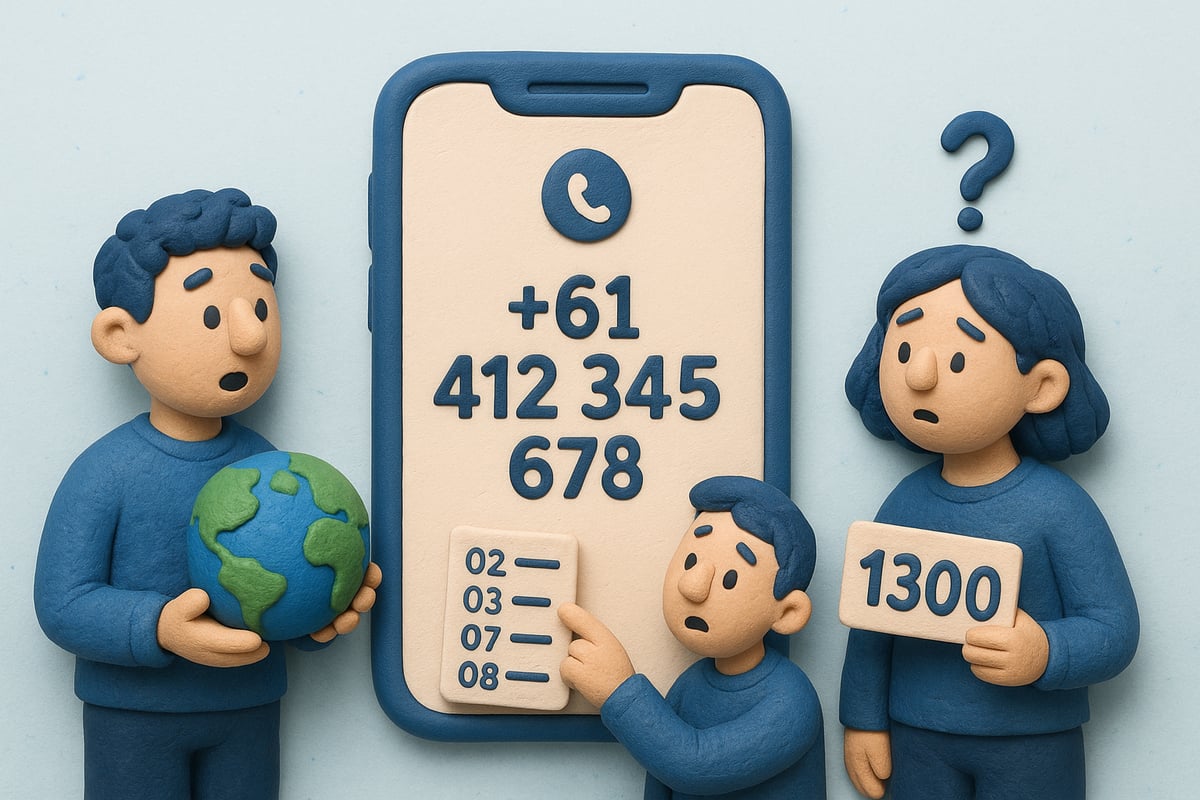
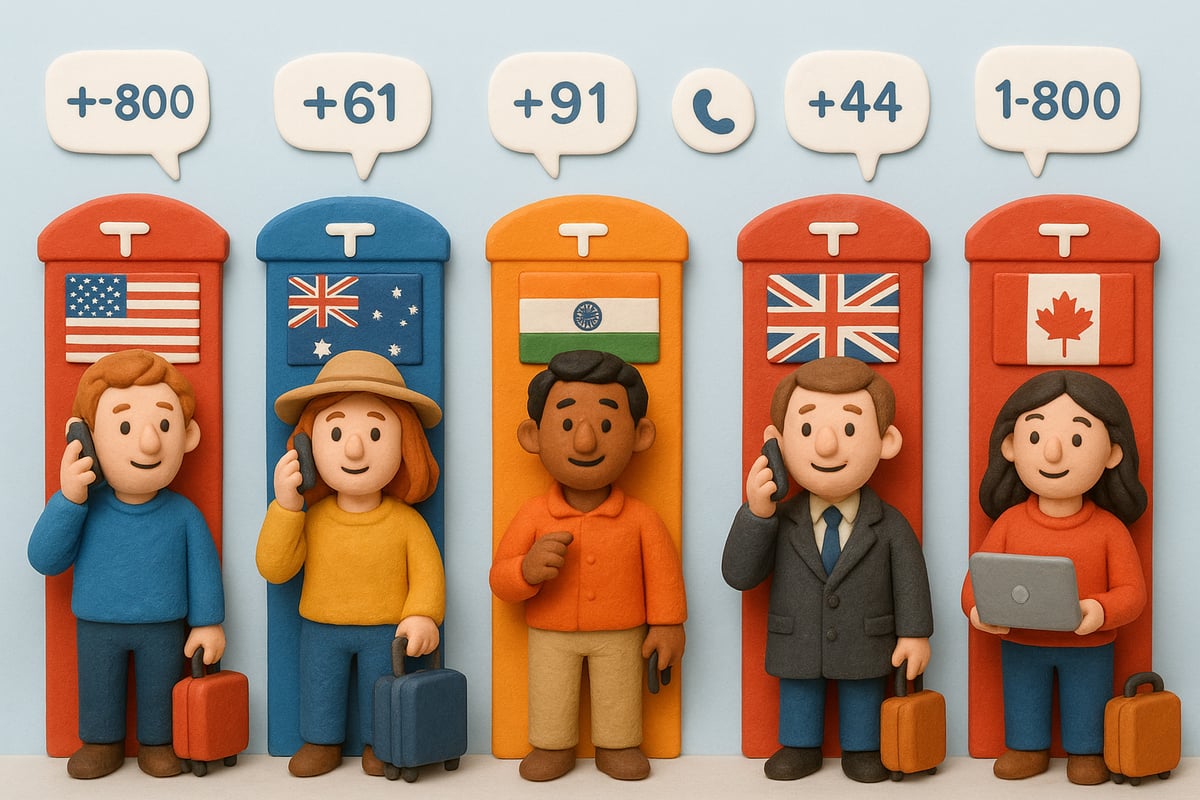
    Australian mobile numbers are easy to spot: they always begin with ’04’ when dialed within the country. If you want to call australian mobile from overseas, you’ll need to modify this format slightly. Drop the initial ‘0’ and add the country code for Australia, which is +61. For example, the local number 0412 345 678 becomes +61 412 345 678 when you dial from abroad.

    All Australian mobiles follow this pattern, so once you get the hang of it, you’ll find every mobile number easy to convert. Using the right format is crucial—if you forget to drop the ‘0’ or miss the country code, your call might not connect. For a deeper dive into number formats and more examples, check out this detailed Australian Phone Number Format Guide.

    Landline Numbers

    When you need to call australian landline from overseas, the process is similar but with some unique details. Australian landlines use area codes that point to specific regions:

    • 02: New South Wales (including Sydney) and ACT
    • 03: Victoria (including Melbourne) and Tasmania
    • 07: Queensland
    • 08: Western Australia, South Australia, Northern Territory

    For international calls, drop the leading ‘0’ from the area code and add +61. So, a Sydney number like 02 9876 5432 becomes +61 2 9876 5432. Always check the time zone differences before calling, as Australia spans several zones. Getting the format right ensures you don’t miss that important connection.

    1300 and Other Special Numbers

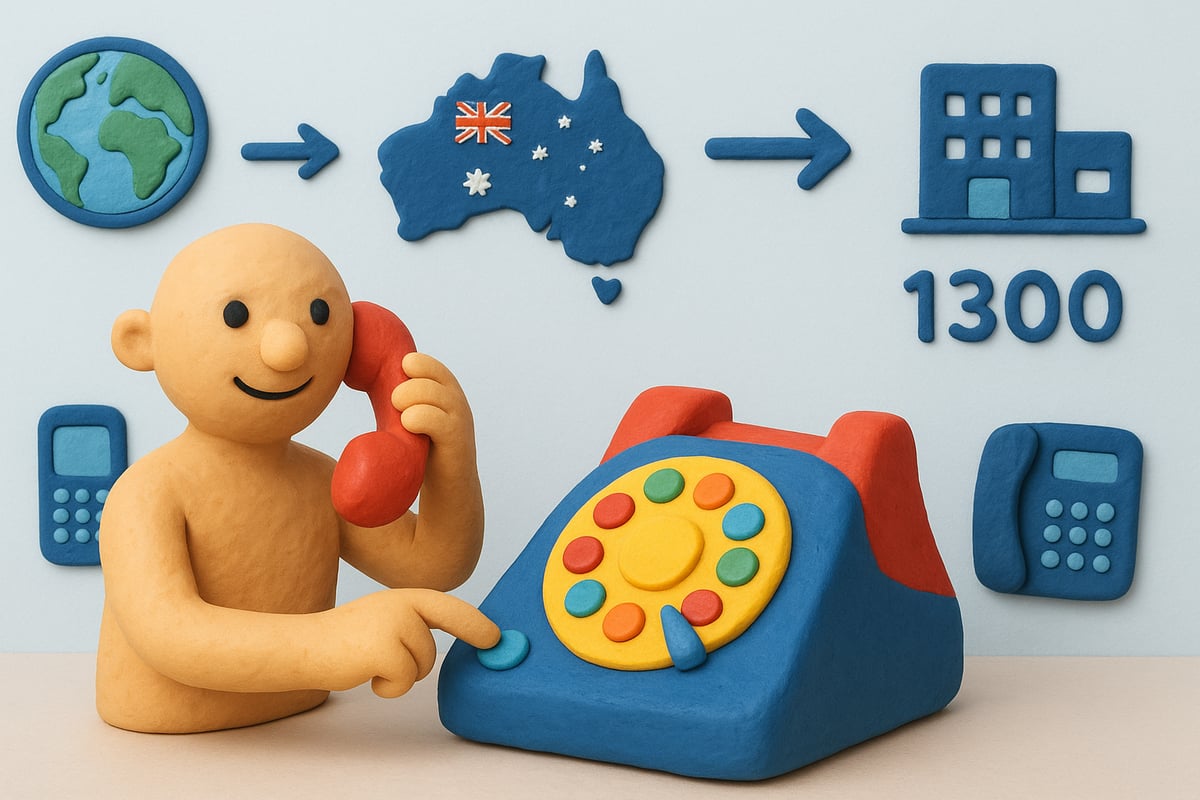
    1300, 1800, and 13 numbers are special business lines known as non-geographic numbers. Many companies use these for customer service, but if you try to call 1300 number from overseas, you may run into issues. Most international carriers cannot connect you directly to these numbers.

    For instance, dialing 1300 123 456 from outside Australia often won’t work. If you need to dial 1300 number from overseas and it fails, look for an alternative contact—many businesses list a standard landline or mobile number just for international callers. Knowing these differences saves you time and frustration when you need to reach someone in Australia.

    Step-by-Step Guide: How to Call Australian Numbers from Overseas

    Reaching friends, family, or businesses in Australia can feel overwhelming, but with the right steps, it’s simple for anyone. Whether you want to call australian mobile from overseas, connect to an Australian landline, or even dial 1300 number from overseas, following these steps ensures your call goes through smoothly.

    Step-by-Step Guide: How to Call Australian Numbers from Overseas

    Step 1: Dial the International Access Code

    Every international call starts with an access code, also called the International Direct Dialing (IDD) code. This code tells your phone provider that you want to call outside your own country. The access code is different around the world. Here’s a quick table to help:

    Country Access Code
    USA/Canada 011
    UK/Europe 00
    Singapore 001
    New Zealand 00

    So, before you call australian mobile from overseas, check your country’s code. For example, if you’re in the US, start with 011. If you’re unsure, look up your local IDD code before dialing.

    Step 2: Enter Australia’s Country Code (+61)

    Next, add Australia’s country code, which is always 61. This code tells the phone system that your call is headed to Australia. For example, if you are calling from the US, the sequence so far is 011 61.

    Not sure about the country code or dialing format? You can double-check specific details on the Australia international dialing code page for peace of mind before you call australian mobile from overseas.

    Step 3: Dial the Recipient’s Number (Drop Leading Zero)

    Australian phone numbers start with a ‘0’ locally, but you need to drop this zero when calling from overseas. This applies whether you want to call australian landline from overseas or call australian mobile from overseas.

    • For mobiles: Local 0412 345 678 becomes +61 412 345 678
    • For landlines: Local 02 9876 5432 becomes +61 2 9876 5432

    Use this format for any Australian number. Here’s a code block example for clarity:

    011 61 412 345 678  # US to Australian mobile
    00 61 2 9876 5432   # UK to Australian landline
    

    Step 4: Special Instructions for 1300 and 1800 Numbers

    If you need to call 1300 number from overseas or dial 1300 number from overseas, keep in mind that most international carriers block direct access to 1300 and 1800 numbers. These numbers are built for use within Australia, so your call may not connect.

    If you are unable to reach a business via their 1300 or 1800 line, ask for a regular landline or mobile contact. Many companies list alternative numbers on their websites for those who need to call australian mobile from overseas or reach customer support from abroad.

    Step 5: Complete the Call and Troubleshoot

    Once you’ve dialed the full number, wait for the call to connect. Listen for a dial tone or ringing. If you hear a busy signal, the call does not connect, or you are blocked, double-check the number format and try again.

    Many issues with call australian mobile from overseas are due to small mistakes in dialing. Use online tools to verify you have the correct format. If problems persist, try another calling method or contact your provider for help.

    Calling Australian Mobiles vs. Landlines: Key Differences

    Staying connected with friends, family, or colleagues in Australia is important, but knowing whether to call australian mobile from overseas or a landline can make a real difference in your experience. Let’s break down the key differences so you can make the best choice for your needs.

    Calling Australian Mobiles vs. Landlines: Key Differences

    Mobile Numbers

    Australian mobile numbers always start with ‘04’ when dialed locally. If you want to call australian mobile from overseas, you’ll need to drop the leading zero and add the country code for Australia, which is +61. For example, a local mobile 0412 345 678 becomes +61 412 345 678 from abroad.

    Every mobile number in Australia follows this pattern, so once you know the structure, you can confidently call australian mobile from overseas no matter where you are. Keep in mind that mobile numbers can move between states, so the prefix alone doesn’t reveal the location.

    Using the correct format is essential. If you forget to remove the ‘0’ or miss the country code, your call may not go through. Always double-check before you dial, especially if you’re using an international calling app.

    Landline Numbers

    When you call australian landline from overseas, the steps are similar but with an added focus on area codes. Australian landlines use a one-digit area code (like 02 for New South Wales or 03 for Victoria), followed by an eight-digit local number.

    For international calls, drop the leading zero from the area code and add +61. For instance, to call a Melbourne landline (03 9123 4567) from the US, you’d dial 011 61 3 9123 4567. Each region has its own area code, so check you’re using the right one for the city or state you’re calling.

    If you need to call 1300 number from overseas or dial 1300 number from overseas, remember these are special business lines and may not always connect internationally. Always check if an alternative landline is available.

    Cost and Connection Quality

    There are often significant differences in call costs depending on whether you call australian mobile from overseas or a landline. Mobile calls usually cost more due to carrier surcharges, while landlines can be more budget-friendly.

    Mobile calls may also be subject to more variability in connection quality, especially if the recipient is traveling or in a low-signal area. Landlines, on the other hand, tend to provide more stable voice quality.

    If you’re looking to save money, it’s smart to compare international calling rates before you dial. Many providers offer different rates for mobiles, landlines, and even special numbers, so a quick comparison can help you avoid surprises.

    Time Zone Considerations

    Australia’s vast geography means it spans several time zones. Before you call australian mobile from overseas, check the local time in the recipient’s city. For example, Sydney is often two to three hours ahead of Perth, depending on daylight saving.

    Calling at the right time shows respect and increases your chances of reaching someone directly. Use online world clocks or mobile apps to plan your calls, especially if you want to call australian landline from overseas or reach a business at the right moment.

    Understanding these differences will help you connect smoothly, whether you need to call australian mobile from overseas, call australian landline from overseas, or even dial 1300 number from overseas. Choose the right method for your needs, and you’ll enjoy clearer calls and better value every time.

    How to Call 1300 Numbers from Overseas

    Getting in touch with Australian businesses while abroad can feel like a puzzle, especially when you need to connect with a 1300 number. Many people who want to call australian mobile from overseas also find themselves needing to reach customer service lines or helplines that use these special numbers. Let’s break down what 1300 numbers are, why they’re tricky to dial from outside Australia, and what you can do about it.

    What Are 1300 Numbers?

    1300 numbers are special Australian business lines known as shared-cost or local-rate numbers. Companies use them so customers across Australia can call without paying long-distance charges. Unlike regular numbers, 1300 numbers are not tied to a specific city or state, which makes them incredibly popular for customer support, government hotlines, and helplines.

    If you’re trying to call australian mobile from overseas, you might notice that 1300 numbers look different from mobile or landline formats. They always start with “1300” and are followed by six digits, such as 1300 123 456. The key thing to remember is that these numbers are designed for use within Australia, which leads to complications when dialing from abroad.

    Dialing 1300 Numbers from Abroad

    Here’s where things get tricky. Most international carriers and calling services do not support direct calls to 1300 numbers from outside Australia. If you try to dial 1300 123 456 from the US, UK, or anywhere else, the call will usually fail or result in a message saying the number is unavailable. This is because 1300 numbers are routed differently than standard landline or mobile numbers.

    For those who want to call australian mobile from overseas or need to dial 1300 number from overseas, this limitation can be frustrating. Some specialized VoIP providers may occasionally allow these calls, but success is rare. If you need more in-depth guidance, check out this Calling 1300 Numbers from Overseas guide, which explains the technical reasons and offers further solutions.

    Alternative Solutions and Workarounds

    Don’t worry, there are ways around this roadblock! If you need to call a business or government office with a 1300 number, your first step should be to look for an alternative contact method. Most organizations provide a geographic landline or mobile number for international callers on their website. This is especially important if you need to call australian landline from overseas or want to dial 1300 number from overseas but keep hitting a wall.

    Other options include:

    • Using email or live web chat for non-urgent inquiries.
    • Asking the business for a direct landline or mobile number.
    • Searching their contact page for international support details.

    By being proactive, you can usually find a way to get the help you need without relying on a 1300 number.

    Cost and Accessibility

    If you manage to connect to a 1300 number from abroad, be aware that you may be charged standard international call rates, which can be much higher than domestic rates. Most calling cards, VoIP apps, and even mobile providers do not support calls to these numbers, so accessibility is limited. Whether you want to call australian mobile from overseas, call australian landline from overseas, or dial 1300 number from overseas, always double-check the rates and available options before making the call.

    Cost-Saving Tips for Calling Australian Numbers from Overseas

    Staying in touch with friends, family, or business contacts in Australia should not break the bank. Whether you need to call australian mobile from overseas, connect with a landline, or dial 1300 number from overseas, a few smart choices can make a big difference in your calling costs.

    Compare International Calling Options

    Choosing the best way to call australian mobile from overseas starts with knowing your options. Traditional phone providers often charge high rates, especially for calling mobiles or when you call australian landline from overseas. Thankfully, modern alternatives can save you a bundle.

    Let’s quickly compare some popular choices:

    Method Pros Cons
    VoIP Apps Cheap, flexible, Wi-Fi-based Needs internet, app setup
    Local SIMs Local rates, good quality May require SIM swap
    Calling Cards Budget-friendly, easy Hidden fees possible
    Roaming Convenient, no setup Very expensive

    For most, using apps like Skype, WhatsApp, or Make international calls online offers the best value. These services are often 50 to 90 percent cheaper than traditional carriers and allow you to call 1300 number from overseas if supported.

    Call Australian Mobiles Easily and Affordably with ZippCall

    Looking for a hassle-free way to call australian mobile from overseas? ZippCall is a top pick for travelers, expats, and families. With ZippCall, you can make pay-as-you-go calls to Australian mobiles and landlines from any browser or mobile device. There are no contracts or hidden fees, and your credits never expire.
    Call Australian Mobile from Overseas: Your Essential 2026 Guide - Call Australian Mobiles Easily and Affordably with ZippCall

    ZippCall’s transparent rates are up to 90 percent lower than major telcos. The first call is free, so you can test the quality yourself. Plus, you can connect to any Australian number, making it easy to call australian landline from overseas or even dial 1300 number from overseas when supported. This flexibility makes ZippCall a reliable choice for all your international calling needs.

    Why ZippCall is perfect for calling Australia:

    Avoid Roaming Charges and Hidden Fees

    Roaming charges can quickly add up when you call australian mobile from overseas. It is smart to use Wi-Fi-based services to bypass these costs entirely. Always check your provider’s policy for international calls, as some sneak in extra surcharges.

    Monitor your call duration and expenses with online tools or calling apps. For context, international roaming can cost $2 to $5 per minute, while VoIP apps may charge as little as $0.02 to $0.25 per minute. These tips help whether you want to call australian landline from overseas or dial 1300 number from overseas. Stay alert to avoid surprise fees, and your wallet will thank you.

    Troubleshooting Common Issues When Calling Australia

    Even when you know how to call australian mobile from overseas, you might still face some hiccups. Let’s walk through common problems and how to fix them together, so you can connect with loved ones or businesses in Australia easily and confidently.

    Call Not Connecting or Blocked

    If you try to call australian mobile from overseas and the call doesn’t go through, double-check the number format. Make sure you drop the leading zero and use the correct country code. Sometimes, international or VoIP calls are blocked in your country, so switching to a different app or using a VPN can help.

    A common pitfall is using the wrong country code or access code. If you’re unsure, the Country codes directory can help you confirm the right codes for your location. Also, if you’re trying to call australian landline from overseas or dial 1300 number from overseas, remember that special numbers may not be reachable from every carrier.

    Poor Call Quality or Dropped Calls

    Are you experiencing static, dropped calls, or muffled audio when you call australian mobile from overseas? This could be due to weak internet, network congestion, or even your calling app. Try switching to a wired internet connection or another VoIP app.

    Call quality can also drop during peak hours. If possible, call during off-peak times for a clearer connection. For those using mobile data, moving closer to your Wi-Fi router or finding a spot with better signal can make a big difference. If you still can’t reach an australian landline from overseas, try an alternative contact method.

    Billing and Unexpected Charges

    Nobody likes surprises on their bill after trying to call australian mobile from overseas. Before dialing, always check the rates for your provider and app. Some apps round up call minutes or have hidden surcharges.

    Keep an eye on your credit balance and call duration. Use apps that show you costs in real time. If you’re charged for a failed attempt to call 1300 number from overseas, reach out to customer support for a review. It’s also smart to check your statement regularly to catch any unexpected charges early.

    Now that you know exactly how to call Australian mobiles from overseas and avoid common pitfalls, why not put your new skills into action? With everything we’ve covered—from dialing formats to saving money and troubleshooting—you’re ready to connect with friends, family, or colleagues in Australia without stress or confusion. If you want to skip the hassle and enjoy clear, affordable calls right from your browser or phone, we’re here for you. Let’s stay connected, wherever life takes us! When you’re ready, Start Calling and experience just how easy it can be.
  • Wifi Calling International Guide: Everything You Need to Know 2026

    Wifi Calling International Guide: Everything You Need to Know 2026

    Staying connected globally has never been more important, whether for work, travel, or keeping in touch with loved ones. With wifi calling international, you can enjoy affordable, seamless conversations from anywhere with internet—no need to worry about expensive roaming charges or patchy networks.

    This complete guide to wifi calling international in 2026 is here to help you navigate every detail. We’ll explain how it works, break down costs and carrier differences, walk you through setup, and share tips to avoid common pitfalls. You’ll also find practical advice for making an international call over wifi, plus comparisons to other calling options.

    Ready to save money and simplify your travel communications? Let’s explore how wifi calling for international calls can make your next trip or remote work adventure easier and more affordable.

    What is WiFi Calling and How Does It Work Internationally?

    Staying connected across borders has never been easier, thanks to wifi calling international. This technology lets us reach friends, family, or colleagues worldwide without worrying about weak cellular signals or costly roaming. But how does it actually work, and what sets it apart from other calling options? Let’s explore the essentials of wifi calling international and discover how it makes global communication simpler for all of us.

    What is WiFi Calling and How Does It Work Internationally?

    Definition and Core Technology

    Wifi calling international is a feature built into most modern smartphones, allowing you to make and receive calls or texts over a WiFi connection instead of a traditional mobile network. This means if you’re in a spot with poor cellular coverage but have access to WiFi, you can still stay in touch seamlessly.

    Unlike VoIP apps such as WhatsApp or Skype, wifi calling international is integrated directly with your carrier and your phone’s native dialer. You use your regular number, and there’s no need for both parties to install the same app. If you want to compare these solutions, check out the best VoIP for international calls for a helpful overview.

    The technology behind wifi calling international is based on VoIP (Voice over Internet Protocol), but it’s tightly connected to your carrier. According to TechTarget’s WiFi calling guide, your voice is digitized into data packets, encrypted, and transmitted through the internet to your carrier’s network. It works on both iPhone and Android devices, as long as your phone and carrier support the feature. For the best experience, a stable and strong internet connection is key—this ensures your conversations are clear and uninterrupted.

    International Call Over WiFi: How It Functions

    Making an international call over wifi is straightforward and flexible. With wifi calling international, your call travels from your phone over the internet, through your carrier’s network, and then out to any global number, just like a regular call. This is especially useful when you’re using wifi calling abroad or wifi calling from overseas, as it lets you connect no matter where you are, as long as you have WiFi.

    Here’s how it works in practice:

    • If you’re in Europe and call a US number, the call is routed through the internet to your US carrier, then to the recipient—often at no extra charge.
    • If you make international calls over wifi to a non-home country, charges may apply depending on your carrier’s policy.
    • For wifi calling for international calls, always check whether your plan includes free calls to your home country or if you’ll be billed for calls to other destinations.

    Data usage is minimal for voice calls, typically ranging from 1 to 5 MB per minute. This means even modest internet connections can handle several calls before using significant bandwidth. Whether you’re a frequent traveler or just want peace of mind when communicating globally, wifi calling international offers a reliable and cost-effective solution.

    Is WiFi Calling Free for International Calls? Carrier Policies and Costs

    Staying connected globally is easier than ever, but understanding the costs of wifi calling international can feel overwhelming. Are international call over wifi options really free? Or do hidden fees lurk in the fine print? Let’s break down what you need to know so that you can make international calls over wifi confidently and avoid surprises.

    Is WiFi Calling Free for International Calls? Carrier Policies and Costs

    Carrier-Specific International WiFi Calling Charges

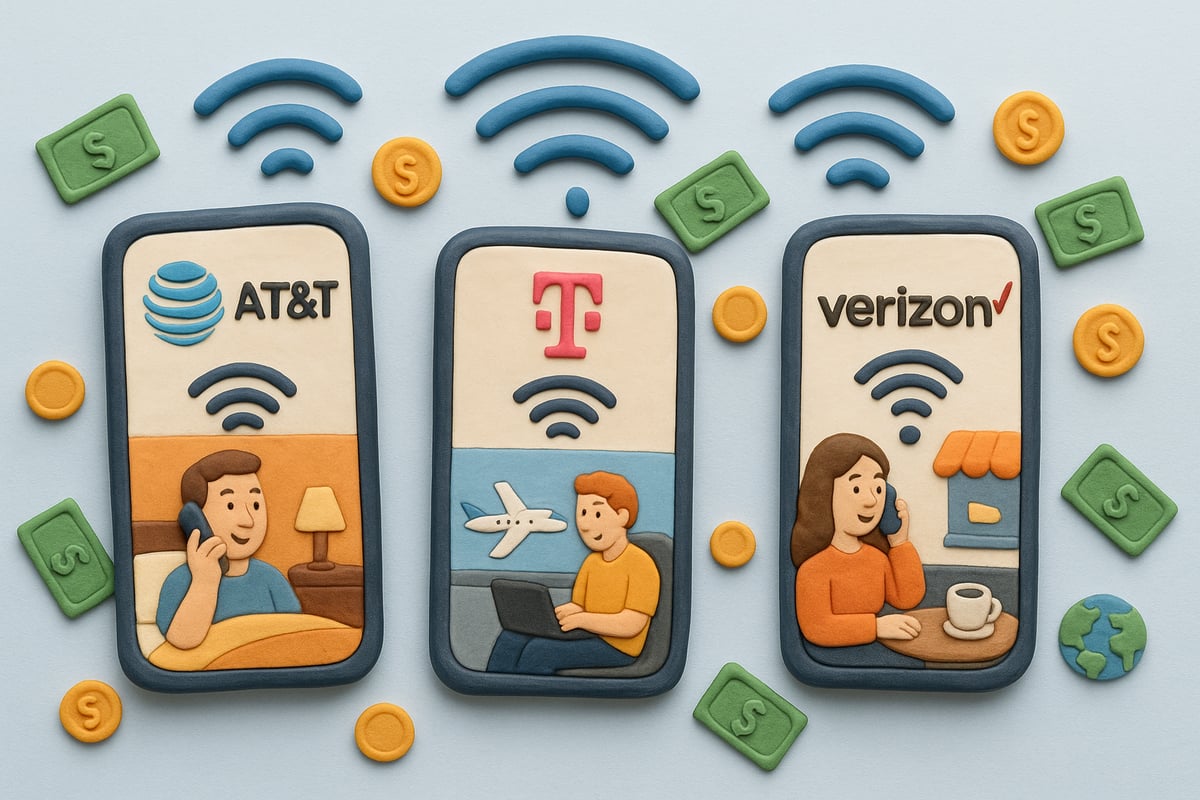
    The cost of wifi calling international calls depends a lot on your wireless provider. Each carrier has its own rules and rates for making an international call over wifi, especially when you are wifi calling from overseas. Here is a quick comparison:

    Carrier WiFi Calls to US Numbers from Abroad WiFi Calls to International Numbers Sample International Rates
    AT&T Free Billed per international rates or with add-ons $0.35–$1.50/min (varies by country)
    T-Mobile Free Charged at international rates $0.25/min for 215+ countries
    Verizon Billed per plan or pay-as-you-go Billed per plan or pay-as-you-go $1.49/min from UK (no plan)

    With AT&T, wifi calling international to US numbers is free when you are wifi calling abroad, but calling other countries is billed at standard international rates unless you add a roaming plan like International Day Pass. According to T-Mobile’s official WiFi calling support page, T-Mobile allows free wifi calling to US numbers on unlimited plans, but calls to other countries are charged at a flat rate, often $0.25 per minute for 215+ destinations. Verizon’s wifi calling international rates depend on your plan, but pay-as-you-go rates can be as high as $1.49 per minute from Europe.

    These differences make it vital to check your carrier’s wifi calling for international calls policy before traveling. For a deeper dive into costs and potential hidden fees, you can consult the International Call Fees Guide.

    WiFi Calling Abroad: When Is It Free vs. Paid?

    The golden rule for wifi calling international is that calls to your home country (like calling the US while traveling abroad) are usually free with most major carriers. This is a huge benefit for anyone relying on wifi calling abroad or wifi calling from overseas to stay in touch with family and friends.

    However, if you make international calls over wifi to numbers outside your home country, charges often apply. For example, if you are in France and call a UK number using wifi calling international, your carrier will likely bill you at its international long-distance rate. Some plans include unlimited texting, but voice calls to foreign numbers are rarely free.

    Be aware of roaming add-ons and plan types. With T-Mobile, adding an international pass may reduce your rates. AT&T’s International Day Pass can help, but only covers certain countries. Always read the fine print to spot exceptions, especially if you plan to make international calls over wifi frequently.

    Here are some tips to avoid hidden charges:

    • Use airplane mode with WiFi to force calls over the internet, not cellular.
    • Monitor your bill for unexpected international call over wifi charges.
    • Always confirm that your wifi calling for international calls is active before dialing.

    Understanding these differences helps you make informed choices and maximize your savings with wifi calling international.

    How to Make International Calls Over WiFi: Step-by-Step Setup

    Staying connected globally has never been easier, especially with wifi calling international. Setting it up is simple, but there are some important details to ensure your international call over wifi works seamlessly. Whether you want to use wifi calling abroad for work, family, or emergencies, just follow these steps.

    How to Make International Calls Over WiFi: Step-by-Step Setup

    Step 1: Enable WiFi Calling on Your Device

    First, let’s make sure wifi calling international is switched on. For iPhone users, head to Settings, tap on Phone, then select Wi-Fi Calling. Toggle on “Wi-Fi Calling on This iPhone.” Android users will find this in Settings, then Connections or Networks, and finally Wi-Fi Calling. The exact path may vary depending on your device model.

    Check your phone’s compatibility and update to the latest OS version for the smoothest wifi calling abroad experience. Most modern smartphones support this feature, but double-checking can save headaches later. Before you travel, test wifi calling from home. Make a regular call with your phone on WiFi to confirm it works as expected.

    If you run into issues enabling wifi calling international, contact your carrier for support. Some plans may require activation or additional setup steps. By preparing ahead, you’ll be ready to make international calls over wifi the moment you arrive overseas.

    Step 2: Dialing International Numbers Correctly

    When you’re ready to make an international call over wifi, use the correct dialing format. Start with the plus sign (+) or dial 011, followed by the country code, area code, and the local number. For example, if you’re calling a UK number from the US, you’d dial: +44 20 XXXX XXXX.

    Carrier rules can vary, so check with your provider for country-specific dialing instructions. This ensures your wifi calling from overseas goes through smoothly. For a detailed walk-through on international dialing, check out this helpful How to Make International Calls guide.

    Remember, when using wifi calling for international calls, the format matters. Make sure you know the correct country code and double-check the number before placing your call. This small step can prevent failed connections and make your wifi calling international experience stress-free.

    Step 3: Placing the Call and Verifying WiFi Connection

    Once you’ve dialed, confirm your call is routed over WiFi. Look for a small WiFi icon near the signal bars or in your call screen. This tells you the call is using wifi calling international, not the cellular network. If you don’t see the icon, try switching your phone to airplane mode, then reconnect to WiFi. This can help force wifi calling abroad instead of roaming.

    For the best call quality, connect to a strong and stable WiFi network. Avoid crowded or public networks if possible. If your call drops or defaults to cellular, move closer to the router or restart your device. Remember, wifi calling from overseas depends on internet quality, so check your connection before making important calls.
    By following these steps, you’ll confidently use wifi calling for international calls wherever you travel. It’s a reliable way to stay in touch, save money, and avoid the hassles of traditional roaming.

    Advantages and Limitations of WiFi Calling for International Calls

    Staying connected across borders has never been easier, and wifi calling international is at the heart of this revolution. Understanding both its strengths and its boundaries helps us make smarter, more cost-effective choices when we travel or keep in touch with loved ones worldwide.

    Advantages and Limitations of WiFi Calling for International Calls

    Benefits of WiFi Calling International

    The biggest advantage of wifi calling international is its ability to save you money. Instead of racking up expensive roaming charges, you can make international calls over wifi for a fraction of the price, or sometimes even for free. This is a game-changer for travelers, expats, and anyone who needs to stay in touch with family or colleagues overseas.

    Another plus is coverage. With wifi calling abroad, you are not limited by weak cellular signals. Whether you are tucked away in a rural village or staying in a concrete-heavy hotel, as long as you have a solid internet connection, you can place and receive calls. This makes wifi calling for international calls especially useful in areas where traditional networks struggle.

    Convenience also stands out. Unlike VoIP apps, wifi calling from overseas works directly from your phone’s native dialer, so you do not need to download extra apps or get everyone on the same platform. You can keep your regular phone number, making it easier for others to reach you.

    Finally, wifi calling international supports both voice calls and texts, so you stay connected in every way that matters. For many, it means peace of mind and a reliable lifeline, no matter where life takes you.

    Limitations and Potential Issues

    Despite all these benefits, wifi calling international is not perfect. The biggest challenge is its dependence on a stable WiFi connection. If the internet is slow or drops out, call quality can suffer, leading to delays, echoes, or dropped calls. This is especially common in crowded hotels or public hotspots.

    Carrier policies can also complicate things. Not every mobile plan includes wifi calling for international calls, and some restrict the feature in certain countries. It is important to check with your provider before relying on wifi calling abroad, as you might face unexpected fees or find the service unavailable in your destination. For a closer look at these policies and potential hidden costs, see our international call fees guide.

    Emergency services are another limitation. While you can make international calls over wifi, dialing local emergency numbers abroad may not always work as expected. Always have a backup plan for emergencies.

    Lastly, while wifi calling from overseas can be free to your home country, calling other international numbers may still incur charges. Monitoring your plan and understanding your carrier’s rules is key to avoiding bill surprises.

    Comparing WiFi Calling to Other International Calling Solutions

    Exploring all your options for international calls is smart, especially with the rise of wifi calling international. Let’s see how it stacks up against other popular solutions, so you can choose what works best for you, whether you’re at home or wifi calling abroad.

    WiFi Calling vs. VoIP Apps (WhatsApp, Skype, etc.)

    When it comes to wifi calling international, one big question is how it differs from VoIP apps like WhatsApp or Skype. Wifi calling runs through your carrier and uses your regular phone number, so you can call or text anyone, even if they don’t use a specific app. VoIP apps, on the other hand, require both parties to have the app installed and an internet connection.

    With wifi calling international, you dial straight from your phone’s dialer, and your contacts see your real number. This feels seamless, especially for those who want to stay connected with family or colleagues who might not use messaging apps. VoIP apps are fantastic for free app-to-app calls, but can’t always reach landlines or people without the app.

    Security is another consideration. Wifi calling for international calls is encrypted by your carrier, while app-based calls depend on each app’s privacy features. If you want a simple, integrated experience—especially when wifi calling from overseas—wifi calling is often the winner.

    WiFi Calling vs. International Calling Services

    Let’s compare wifi calling international to pay-as-you-go international calling services. These services, offered by many carriers and third-party providers, let you buy minutes or credits for international calls. They’re handy if you need to call landlines or numbers that can’t be reached via apps, but rates can vary widely.

    Wifi calling international typically lets you make international calls over wifi at rates set by your carrier, which are often more transparent than some calling card services. If your plan allows free wifi calling abroad to your home country, you can save a lot compared to traditional roaming or pay-as-you-go rates. However, for calling other countries, check your carrier’s rates and fine print. For more details on costs, see our comprehensive guide on how to make international calls.

    In summary, if you’re looking to make international calls over wifi with your own number and to any phone, wifi calling international is a strong choice. For calling specific apps or when both parties are online, VoIP apps work well.

    When WiFi Calling Falls Short: ZippCall as Your Alternative

    While wifi calling international is convenient, it has limitations—carrier restrictions, country limitations, and potential charges for calls outside your home country. This is where ZippCall shines as a flexible alternative.

    With ZippCall, you can call any landline or mobile in over 200 countries at rates starting from just $0.02 per minute. There are no subscriptions, no contracts, and your credits never expire. Whether you’re traveling abroad or calling from home, ZippCall works from your browser or mobile app—perfect for when wifi calling from overseas isn’t available or when you need to call destinations your carrier charges extra for.

    For the best value, compare your carrier’s wifi calling from overseas rates with international calling services like ZippCall and pick what matches your needs.

    Tips to Maximize Savings and Avoid Pitfalls with WiFi Calling International

    Traveling or living abroad? With wifi calling international, you can stay connected and keep costs under control. However, maximizing savings and avoiding surprise charges requires a few strategic moves. Let’s explore the smartest ways to make international call over wifi work for you.

    How to Avoid Unexpected Charges

    Before you rely on wifi calling international, always double-check your carrier’s current policies. Each provider has unique rules for wifi calling abroad, and costs can vary for international call over wifi. For AT&T customers, the AT&T International Calling Guide is a great resource to clarify rates and free call destinations.

    To guarantee your calls route over WiFi, activate airplane mode, then turn WiFi back on. This prevents your phone from using cellular networks by accident while using wifi calling from overseas. Always verify the WiFi logo appears during calls, signaling that you are not incurring roaming fees.

    Consider these smart steps:

    • Monitor your bill for unexpected wifi calling international charges.
    • Use international add-ons or day passes if you call abroad often.
    • If wifi calling is unreliable, insert a local SIM or activate an eSIM to save more.

    By following these habits, you can make international calls over wifi confidently and avoid costly surprises.

    Enhancing Call Quality and Reliability

    For wifi calling for international calls, a strong, stable internet connection is essential. As Forbes notes, poor bandwidth or high latency can lead to echoes, distortion, or dropped packets. Connect to high-speed, private WiFi whenever possible—public hotspots can be slow or insecure, making calls drop or sound distorted.

    Boost your experience with these tips:

    • Use a mesh network or WiFi extender in large spaces.
    • Test wifi calling abroad before leaving home to spot issues early.
    • Avoid sensitive calls on public WiFi to protect your privacy.

    When you prioritize connection quality, wifi calling international becomes a powerful tool to stay in touch anywhere, without sacrificing reliability or budget.

    Frequently Asked Questions about WiFi Calling International

    Traveling or working abroad comes with plenty of questions about wifi calling international features. Here, we answer the most common concerns to help you stay connected and avoid surprises.

    Can I use wifi calling international from any country?

    Most carriers allow wifi calling international from many countries, but some locations may be restricted due to regulations. Always check your carrier’s list of supported countries before you travel.

    Are wifi calls to international numbers always billed?

    Wifi calling to your home country is often free, but calling other international numbers can incur charges. Most major US carriers now support WiFi calling internationally—so calls back to the US are typically free, but calls to other countries may cost extra. For AT&T-specific details, see our AT&T international calling guide.

    Does wifi calling international work on all phones and carriers?

    Most modern smartphones support wifi calling for international calls. However, device compatibility and carrier support may vary, especially when you try to make international calls over wifi.

    Will wifi calling work if I use a local SIM abroad?

    If you use a local SIM, wifi calling abroad may or may not work, depending on the carrier and region. Some carriers disable wifi calling from overseas on non-native SIMs.

    Can I receive calls from my home country while overseas?

    Yes, with wifi calling from overseas enabled, you can receive calls as if you were at home. This is a huge perk for staying in touch.

    How much data does an international call over wifi use per minute?

    A typical wifi calling international voice call uses about 1–5 MB per minute, depending on quality and connection.

    What happens if I lose WiFi during a call?

    If your WiFi drops, the call may switch to cellular (if available) or disconnect. Always check your settings to avoid unexpected roaming charges with wifi calling for international calls.

    Is wifi calling international secure for international calls?

    Wifi calling for international calls is generally secure, using carrier-grade encryption. Still, avoid public WiFi for sensitive calls.

    If you’re ready to put all these tips into action and start saving on your international calls, you don’t have to wait. With ZippCall, we can connect with loved ones or colleagues around the globe—straight from your browser or mobile app—without the hassle of subscriptions or expensive rates. Whether you’re traveling, working remotely, or just keeping in touch with friends overseas, making reliable, affordable calls is easier than ever. Let’s make global communication simple and stress free together. When you’re ready, Start Calling and experience the difference for yourself!

  • 7 Essential Cheapest Way to Make International Calls to Landline

    7 Essential Cheapest Way to Make International Calls to Landline

    Making international calls to landlines can feel like throwing money away. Traditional carriers often charge sky-high rates, leaving many of us frustrated and searching for a better solution.

    More than ever, families, travelers, and businesses need to stay connected across borders without breaking the bank. But how can you find the cheapest way to make international calls to landline and still enjoy clear, reliable conversations?

    In this guide, we’ll reveal seven proven and affordable methods, share top services, and offer practical tips so you can save money and connect with loved ones worldwide with confidence.

    Understanding International Calling Costs

    Understanding how international calling costs are calculated is the first step to finding the cheapest way to make international calls to landline numbers. If you’ve ever been surprised by your phone bill after calling abroad, you’re not alone. Let’s break down what really goes into those charges and how you can save.

    How International Call Pricing Works

    International call costs are usually made up of several components:

    • Per-minute rates: These vary by country and provider.
    • Connection fees: Some carriers charge a flat fee to start a call.
    • Hidden charges: Look out for rounding up minutes, maintenance fees, or surcharges.
    • Taxes: Local or international taxes may also apply.

    Traditional carriers often add multiple small fees, making the true cost much higher than just the advertised rate.

    Landlines vs. Mobiles: What’s the Difference?

    Calling a landline internationally is usually cheaper than calling a mobile. That’s because landline networks are more stable and often have established agreements between countries. However, some destinations still charge high rates for landlines, especially in remote regions.

    Factors That Affect Your International Call Costs

    Several key factors influence the price you pay, even if you’re seeking the cheapest way to make international calls to landline numbers:

    • Destination country: Some countries, like India or the UK, offer lower rates, while others may cost more.
    • Carrier: Each provider sets different rates, sometimes with special deals for certain destinations.
    • Technology: Using Public Switched Telephone Network (PSTN) is often pricier than modern VoIP or app-based calls.
    • Time of day: Peak hours can increase rates.
    • Call duration: Some providers round up to the next minute, inflating costs.

    Traditional vs. Modern Methods: A Cost Comparison

    Traditional calling methods, like dialing direct from your mobile or landline, tend to be the most expensive option. These services can charge up to $1.50 per minute, especially if you’re calling from the US to countries in Africa or South America.

    Modern alternatives, such as VoIP services or online apps, often reduce costs dramatically. For example, VoIP providers may charge as little as $0.01 to $0.05 per minute for the same call.

    Here’s a quick look at average rates:

    Provider Type US to UK Landline US to India Landline Hidden Fees
    Traditional Carrier $0.50–$1.50/min $0.20–$0.80/min Yes
    VoIP/App Service $0.01–$0.03/min $0.01–$0.04/min Rare

    If you want a deeper dive into the numbers, check out this VoIP vs Traditional Phone: Complete Comparison for International Calls for a detailed breakdown of costs and savings.

    Why Call Quality and Reliability Matter

    Price isn’t everything. The cheapest way to make international calls to landline numbers should also deliver clear, reliable connections. Dropped calls, echoes, or delays can mean you waste both time and money. Always consider services that offer HD voice and have a reputation for reliability, as this gives you better value for every cent spent.

    In summary, understanding these cost factors helps uncover the cheapest way to make international calls to landline services without sacrificing quality. With a little research and the right provider, you can keep your global conversations going strong—without breaking the bank.

    7 Essential Cheapest Ways to Make International Calls to Landline

    Finding the cheapest way to make international calls to landline numbers can feel overwhelming. With so many options and hidden fees, it is easy to overspend or get frustrated by poor call quality. Luckily, we have tested and compared the best solutions for staying connected globally without breaking the bank. Below, we share the 7 essential cheapest ways to make international calls to landline phones, each with its own strengths, features, and savings potential.

    1. ZippCall

    ZippCall is quickly becoming a favorite for those seeking the cheapest way to make international calls to landline numbers. With calls starting at just $0.02 per minute, ZippCall offers a true pay-as-you-go model, so you only pay for what you use. There are no subscriptions, and your credits never expire.

    7 Essential Cheapest Way to Make International Calls to Landline - ZippCall

    Key Features:

    • Web-based calling (no download needed)
    • Native iPhone and Android apps
    • Transparent rate calculator
    • HD voice quality
    • No hidden fees

    Pros:

    • Easy, instant setup and global coverage in over 200 countries
    • First call free for new users
    • Secure and private communications

    Cons:

    • Requires an internet connection

    Example:
    Calling India or the UK with ZippCall costs just a fraction of what leading telecoms charge. A 10-minute call to India might cost $0.20, compared to $3 or more with traditional carriers.

    Unique Selling Point:
    ZippCall stands out for its transparent pricing and device flexibility. If you want to see how much you can save, check out the Cheapest international calls online page for detailed rates and tips.

    2. Google Voice

    Google Voice is another strong contender for the cheapest way to make international calls to landline numbers, especially for those based in the US. With rates starting as low as $0.01 per minute, it is hard to beat for select destinations.

    7 Essential Cheapest Way to Make International Calls to Landline - Google Voice

    Key Features:

    • Free US phone number
    • Call from web or mobile app
    • Voicemail transcription
    • Seamless integration with Gmail and Google Contacts

    Pros:

    • Very low international rates
    • No monthly fees
    • Familiar Google interface

    Cons:

    • Only available to US residents
    • Not accessible in all countries

    Example:
    You can call UK landlines from the US for just $0.01 per minute, making it a great option for family or business calls.

    Unique Selling Point:
    Google Voice’s integration with your Google account makes setup and contact management a breeze.

    3. Rebtel

    Rebtel offers a unique approach for those looking for the cheapest way to make international calls to landline phones, especially where internet access is limited. With local access numbers and rates starting at $0.01 per minute, Rebtel is flexible and reliable.

    7 Essential Cheapest Way to Make International Calls to Landline - Rebtel

    Key Features:

    • Call without internet using local access numbers
    • Apps for iOS and Android
    • Unlimited landline calling plans

    Pros:

    • No need for internet if using local access
    • Global reach
    • Clear call quality

    Cons:

    • App interface may be complex for some users
    • Local access numbers not available everywhere

    Example:
    Unlimited calls to India for a fixed monthly fee, or pay-as-you-go for occasional calls.

    Unique Selling Point:
    Offline calling via local numbers sets Rebtel apart for those without consistent internet.

    4. Skype

    Skype remains a reliable option for the cheapest way to make international calls to landline numbers, with rates starting at $0.02 per minute. Subscriptions are available for frequent callers, offering even more savings.

    7 Essential Cheapest Way to Make International Calls to Landline - Skype

    Key Features:

    • VoIP calling to landlines and mobiles
    • Video calls and group calls
    • SMS messaging
    • Integration with Microsoft accounts

    Pros:

    • Trusted global brand
    • Multi-device support
    • Versatile features

    Cons:

    • Requires app installation
    • Occasional call drops

    Example:
    A Skype subscription for unlimited calls to European landlines can save frequent callers significant amounts compared to traditional phone plans.

    Unique Selling Point:
    Skype’s integration with Microsoft services and broad device compatibility make it a convenient choice.

    5. Viber Out

    Viber Out is a practical and easy-to-use service for those seeking the cheapest way to make international calls to landline numbers. With pay-as-you-go rates from $0.02 per minute and flexible monthly plans, it is suitable for both occasional and regular callers.

    7 Essential Cheapest Way to Make International Calls to Landline - Viber Out

    Key Features:

    • Call any landline or mobile worldwide
    • App-based calling
    • Credit bundles for savings

    Pros:

    • No need for the recipient to have Viber
    • Simple interface
    • Good call quality

    Cons:

    • Requires internet connection
    • Rates vary by country

    Example:
    Calling landlines in the Philippines is straightforward with Viber Out credits, and you can top up instantly from the app.

    Unique Selling Point:
    Viber Out seamlessly connects with your Viber messaging, keeping all communication in one place.

    6. [Local Access Numbers]

    Local access numbers provide a classic and reliable solution for the cheapest way to make international calls to landline phones. You simply dial a local number, then get connected internationally, often at local call rates plus a small surcharge.

    Key Features:

    • No internet required
    • Works on any phone, including landlines and basic mobiles

    Pros:

    • Easy to use
    • No app or internet needed
    • Great for areas with limited connectivity

    Cons:

    • May incur local call charges
    • Some initial setup required

    Example:
    From the US, you can use a local access number to call UK landlines, paying only for a local call and a small extra fee.

    Unique Selling Point:
    Internet-free calling makes this method accessible for everyone, especially older adults or those in rural areas.

    7. [International Calling Cards]

    International calling cards are a tried-and-true option for the cheapest way to make international calls to landline numbers. You purchase a prepaid card, dial an access number, enter your PIN, and call any landline worldwide.

    Key Features:

    • Prepaid, no contract
    • Physical or virtual cards available
    • Rates as low as $0.01 per minute

    Pros:

    • Complete budget control
    • No credit check needed
    • Widely available at stores and airports

    Cons:

    • Hidden fees may apply
    • PIN entry can be cumbersome
    • Variable call quality

    Example:
    Travelers often buy calling cards at airports for urgent calls home, enjoying low rates and flexibility.

    Unique Selling Point:
    Calling cards offer unmatched flexibility and are accessible to anyone, even without a credit card.

    How to Choose the Right International Calling Solution

    Choosing the cheapest way to make international calls to landline numbers can feel overwhelming, especially with so many options out there. We all want a solution that saves money, but also keeps us connected clearly and reliably. Let’s break down how to find the perfect fit for your needs.

    Start by thinking about how often you need to call and which countries matter most. If you’re calling family abroad every week, a monthly plan might be best. For occasional business calls, pay-as-you-go could offer the cheapest way to make international calls to landline numbers without locking you into a contract.

    Next, look closely at pricing models. Some services charge only for what you use, while others offer unlimited plans. Check if the service has hidden fees, connection charges, or tricky rounding policies that can add up over time.

    Call quality and reliability are crucial. There’s no point saving a few cents if your call drops or the sound is garbled. Read reviews, test free trials, and see what customer support is like in case you need help.

    Device compatibility matters too. Do you want to call from your computer, smartphone, or even a traditional phone? Make sure the service fits your lifestyle and is easy to use.

    Let’s imagine two scenarios. For a family wanting regular chats with relatives overseas, a subscription plan with unlimited minutes might bring peace of mind. For a business traveler making occasional check-ins, a flexible, pay-as-you-go service with transparent rates is often best.

    Here’s a quick checklist to guide your decision:

    • How often will you call, and to which countries?
    • Do you prefer subscriptions or paying only for what you use?
    • Is the call quality consistently strong?
    • Can you use the service on your preferred devices?
    • Are there any hidden fees in the fine print?

    If you’d like more expert advice and practical tips, check out the International calling tips and guides for a deeper dive into saving money and getting the most value from your calls.

    Remember, finding the cheapest way to make international calls to landline numbers is about balancing cost, quality, and convenience. With a bit of research and the right questions, you’ll discover the option that fits you best.

    Tips to Maximize Savings on International Landline Calls

    Looking for the cheapest way to make international calls to landline numbers? You are not alone. Many of us want to stay connected with loved ones or business partners abroad without breaking the bank.

    Actionable Tips for Big Savings

    • Use Wi-Fi or high-speed internet: VoIP services often provide the cheapest way to make international calls to landline numbers. This helps you avoid costly data or roaming charges.
    • Compare per-minute rates: Check rates for your destination. Tools like the Country-specific cheap calling rates page make it easy to spot the best deals.
    • Claim free trials and bonuses: Many providers offer first-call free, referral credits, or sign-up discounts.
    • Call during off-peak hours: Rates may be lower and call quality better when networks are less busy.
    • Mix and match services: Use local access numbers when internet is down, or VoIP when Wi-Fi is strong.
    • Track your usage: Regularly review your call history to avoid unexpected costs.

    Example: Real Savings in Action

    Consider this: A family regularly calling relatives overseas switched from a traditional carrier to a VoIP provider. By choosing the cheapest way to make international calls to landline numbers, they cut their monthly bill in half.

    Tip Estimated Savings
    Use VoIP over carrier Up to 50%
    Compare rates by country 10-30%
    Free trial credits First call free
    Off-peak dialing 5-10%

    It pays to be proactive. With the right strategy, you can enjoy high-quality calls and keep more money in your pocket.

    Now that we’ve explored the most affordable and practical ways to call landlines around the world, it’s clear that staying close to loved ones or colleagues doesn’t have to break the bank. We all want reliable connections without hidden fees or complicated setups, and that’s exactly what services like ZippCall deliver. Whether you prefer calling from your browser or using a handy app, you have options that fit your lifestyle. Ready to take the hassle and high costs out of international calls? Let’s make your next call easy and budget friendly—Start Calling

  • Google International Phone Plan Guide: Everything for 2026

    Google International Phone Plan Guide: Everything for 2026

    Traveling or living abroad in 2026 brings amazing opportunities, but staying connected can be a real headache. Expensive roaming charges and patchy service often leave us frustrated, just when we need reliable communication the most.

    That’s where this guide steps in to make sense of the google international phone plan for 2026. We’ll break down everything you need to know, from the types of plans and global coverage to pricing, activation, and clever tips for saving money on your journeys.

    If you want to avoid travel hassles, keep your costs low, and enjoy seamless connections around the world, keep reading. Together, we’ll make your next adventure simpler and stress-free.

    Understanding Google International Phone Plans in 2026

    Traveling or working abroad in 2026 is easier when you have a reliable google international phone plan by your side. Whether you are a frequent flyer, digital nomad, or simply planning a big adventure, understanding how these plans work can save you time and money. Let’s unpack the evolution, options, and device compatibility that shape your choices this year.

    Understanding Google International Phone Plans in 2026

    Evolution of Google’s Global Phone Strategy

    The google international phone plan has come a long way since its early days as Project Fi. Originally launched in 2015, it evolved into Google Fi, expanding device compatibility to include Android, iPhone, and eSIM-equipped phones. By 2026, Google introduced AI-powered network switching and smarter roaming, letting users automatically connect to the best available signal as they travel.

    Strategic partnerships with leading global carriers have enabled Google to offer coverage in over 200 countries. The latest tech trends, like 5G and even early 6G support, plus growing satellite connectivity, have made international use more seamless than ever. Rapid adoption continues, with millions of travelers and remote workers relying on their google international phone plan each year. For the most current rates and supported countries, check the Google Fi International Coverage and Rates page.

    Types of International Plans Available

    There is no one-size-fits-all google international phone plan, so Google offers several options in 2026. The Flexible plan is perfect for light users who want pay-as-you-go rates for data, calls, and texts. Unlimited plans provide a flat monthly rate, including high-speed data up to a generous cap, ideal for heavy internet users. Families and groups can share data and simplify billing with group plans, while business users get enhanced support and analytics.

    New for 2026 are plans tailored to digital nomads and students, offering extra flexibility and cost-saving perks. Here’s a quick comparison:

    Plan Type Data Calls & Texts Best For
    Flexible Pay as you go Pay as you go Occasional travelers
    Unlimited High-speed cap Unlimited Frequent travelers
    Family/Group Shared Unlimited Families, friends
    Business Enhanced Unlimited Companies, teams
    Nomad/Student Flexible Unlimited Long-term travelers

    Choosing the right google international phone plan depends on your travel habits and usage needs.

    Supported Devices and Compatibility

    A google international phone plan supports a wide range of devices in 2026. Most modern Android phones, iPhones (with iOS 16 or newer), and any device supporting eSIM technology are compatible. You can check your phone’s eligibility using Google’s online compatibility checker, which is updated regularly to reflect new models.

    Dual SIM and eSIM setups are now standard, letting you keep your home number active while using your google international phone plan abroad. Here’s how to ensure your device is ready:

    • Visit Google’s compatibility checker before your trip
    • Make sure your phone is unlocked
    • Confirm eSIM support for instant activation

    With the right setup, you’ll enjoy seamless connectivity wherever your journey takes you.

    Countries, Coverage, and Network Performance

    Staying connected worldwide is easier than ever in 2026, but not all plans offer the same reach and reliability. With the google international phone plan, you can travel confidently, knowing you have access to service in more places than ever before.

    Countries, Coverage, and Network Performance

    Coverage Map and Supported Countries

    The reach of the google international phone plan has grown dramatically. In 2026, it covers over 200 countries and territories, rivaling major competitors. Coverage is strongest in Europe and North America, where users enjoy seamless roaming. Asia and Oceania see robust support in urban areas, while Africa and South America feature expanding but more variable coverage.

    Recent updates have added new destinations, especially in Southeast Asia and parts of Africa. However, a few countries, such as North Korea and select Middle Eastern regions, remain unsupported due to regulatory restrictions.

    Curious about specific destinations? You can review the list of supported countries for the most current details.

    Here’s a quick comparison of coverage in popular travel spots:

    Destination Coverage Type Network Quality
    France Full (5G/6G) Excellent
    Japan Full (5G/6G) Excellent
    Brazil Full (4G/5G) Good
    Egypt Partial (4G) Moderate
    Australia Full (5G/6G) Excellent

    Network Speed and Reliability Abroad

    When using a google international phone plan, network speed depends on your location and the local partner carrier. Most travelers in major cities enjoy blazing-fast 5G or even early 6G speeds. In rural regions, service may drop to LTE or, rarely, 3G.

    Real-world tests show impressive performance in urban centers like Paris, Tokyo, and New York. Tourists report smooth video calls, fast downloads, and reliable GPS navigation. However, in remote or mountainous areas, speeds can dip, and some users experience brief outages.

    Google’s partnerships with leading global carriers ensure that, even when roaming, your experience mirrors that of locals. Roaming partners are carefully selected for reliability, and user reports from 2026 highlight steady connections in most top destinations.

    Limitations and Restrictions

    While the google international phone plan offers broad coverage, a few limitations remain. In certain countries, only data service is available—voice calls may be blocked due to local laws. Data speeds can be throttled after you exceed your plan’s high-speed cap, especially on unlimited plans.

    Hotspot and tethering features may also be restricted in select regions, so it’s wise to check your destination’s policy before relying on them. Here’s a list of countries with known restrictions in 2026:

    • China: Data only, no voice/SMS
    • UAE: Limited hotspot support
    • India: Throttling after 10GB high-speed use
    • Russia: No hotspot allowed

    Always review your plan details and destination requirements to avoid surprises. The google international phone plan continues to expand its reach, but knowing these restrictions helps you plan smarter.

    Pricing, Fees, and Cost-Saving Strategies

    Traveling with a google international phone plan in 2026 means you want to avoid surprise charges and get the most value for your money. Let’s break down the prices, hidden fees, and smart ways to keep your travel phone bill in check.

    Pricing, Fees, and Cost-Saving Strategies

    Standard International Rates (Calls, Texts, Data)

    With a google international phone plan, you pay clear rates for calls, texts, and data. In 2026, the standard per-minute call rate from Europe is around $0.20, with texts at $0.01 each. Data is $10 per gigabyte for pay-as-you-go or included at no extra cost on unlimited plans, up to your high-speed cap.

    Here’s a quick cost breakdown for a two-week trip to Europe:

    Usage Type Flexible Plan Unlimited Plan
    Calls $0.20/min Included
    Texts $0.01/text Included
    Data $10/GB Included (up to cap)

    To see the latest plan details and international benefits, check the Google Fi Wireless Plans Overview.

    Roaming Fees and Hidden Charges

    A google international phone plan is designed to minimize surprise fees. However, you might see taxes or surcharges depending on the country. Out-of-plan usage, like premium-rate calls or extra data beyond your cap, can add up quickly.

    Some travelers have reported unexpected charges when streaming videos or enabling automatic app updates abroad. Always monitor your usage and review your bill for any unfamiliar charges to avoid bill shock.

    How to Save Money on International Usage

    Saving with a google international phone plan is all about smart habits. Use Wi-Fi for calls and downloads whenever possible. Google offers built-in usage alerts and cost controls, which help prevent overages.

    Traveling as a family or group? Shared plans often come with discounts and pooled data, making them a great option. For example, one family on a world tour saved over $300 by sharing a group plan and using local Wi-Fi at hotels.

    Here are more ways to save:

    • Turn off background data for non-essential apps
    • Enable Wi-Fi calling
    • Use offline maps and translation tools

    Alternatives to Google International Plans

    While a google international phone plan is convenient, it’s not the only option. Major competitors like T-Mobile, AT&T, and Verizon offer international plans, but rates and coverage can vary. Local SIM cards are popular for longer stays or heavier data use.

    Here’s a quick comparison:

    Provider Pros Cons
    Google Easy setup, global coverage Data caps, device limits
    T-Mobile Free basic data, wide reach Slower speeds abroad
    Local SIM Cheap data, local rates New number, setup hassle

    If you only travel occasionally or need lots of high-speed data, consider local SIMs. Otherwise, a google international phone plan offers simplicity for frequent travelers. For rate details, see our Google Fi international calling rates guide.

    How to Set Up and Use Google International Plans

    Getting started with your google international phone plan in 2026 is easier than ever. Whether you are a first-time traveler or a seasoned globetrotter, a smooth setup means you can stay connected from the moment you land. We will walk you through activation, day-to-day management, and the best ways to make your plan work for you.

    How to Set Up and Use Google International Plans

    Step-by-Step Activation Guide

    Activating your google international phone plan is straightforward. Here’s how you can get started:

    1. Sign Up: Visit the Google Fi website or download the app. Choose the plan that fits your travel needs.
    2. Check Device Compatibility: Ensure your phone supports eSIM or physical SIM. Most Androids and iPhones from recent years are compatible.
    3. Order or Set Up SIM/eSIM: If using eSIM, scan the provided QR code within the app. For physical SIMs, insert it into your device.
    4. Enable International Features: In the app, toggle on international roaming before your trip.
    5. Set Up Payment and Profile: Add your payment details and confirm your travel dates, if needed.

    The process takes just a few minutes, and you will receive confirmation when your google international phone plan is ready for use.

    Managing Your Service While Abroad

    Once abroad, managing your google international phone plan is simple and user-friendly. The Google Fi app and website let you track data usage, monitor call/text costs, and even adjust your plan if your needs change.

    If you hit a data cap, you will get alerts so you can choose to add more or switch to Wi-Fi. The app also helps troubleshoot common issues, such as slow connections or billing questions. For example, if you lose connection in Japan, the support section will walk you through network resets and local partner info.

    You can also pause your service, change your plan, or update billing details without hassle. Everything is designed to keep your google international phone plan flexible and stress-free, wherever you are.

    Tips for Maximizing Your Plan’s Value

    To get the most from your google international phone plan, use these practical tips:

    • Connect to Wi-Fi whenever possible, especially for large downloads or calls.
    • Download offline maps and translation tools before you travel.
    • Set up call forwarding and voicemail to avoid missing important messages.
    • Monitor usage alerts to avoid overages.
    • Leverage Google’s travel apps for real-time info and support.

    Before making calls, review this helpful how to make international calls guide for best practices and dialing tips, so you never miss a beat abroad.

    Here’s a quick traveler’s checklist:

    • Activate plan and roaming before you leave.
    • Download essential apps and maps.
    • Enable notifications for data usage.
    • Save local emergency contacts.

    With these steps, your google international phone plan will keep you connected, informed, and worry-free during your travels.

    Pros, Cons, and User Experiences in 2026

    Staying connected across borders has never been easier, but every solution has its highs and lows. Let’s explore the real-world upsides and downsides of the google international phone plan, along with honest user stories to help you decide if it’s the right fit.

    Advantages of Google’s International Plans

    The google international phone plan shines for anyone who wants simplicity and reliability when traveling or living abroad. Here’s what users love:

    • Seamless global coverage: Over 200 countries supported, so you rarely have to swap SIMs.
    • Transparent pricing: Clear rates and no hidden fees make budgeting stress-free.
    • Easy management: Control everything in one app, with instant usage alerts.
    • Integration with Google tools: Use Maps, Gmail, and Translate without hassle.

    A digital nomad named Lina shared, “With my google international phone plan, I landed in Tokyo and was instantly online. No more SIM card hunts or surprise bills!”

    Drawbacks and Common Complaints

    Even the best plans have a few bumps. Some users report slower data after hitting high-speed limits, and a handful of countries only offer partial support.

    • Data throttling: Speeds may drop after you use your monthly high-speed allotment.
    • Limited service: Some places offer data-only or no voice coverage.
    • Device compatibility: Not every phone works perfectly, especially older devices or certain iPhones.

    iPhone users have seen big improvements, especially with Google Fi’s Enhanced iPhone Integration in recent years, but some quirks remain. One traveler mentioned, “My calls dropped a few times in rural Spain, but support helped me troubleshoot quickly.”

    Who Should (and Shouldn’t) Use Google International Plans

    The google international phone plan is a great match for:

    • Frequent travelers and remote workers who value convenience.
    • Expats needing a single number worldwide.
    • Families or groups wanting shared billing.

    But it may not be ideal if you:

    • Stay in one country for months and want the lowest local rates.
    • Only need data and are comfortable using Wi-Fi.

    If you’re curious about other options, it’s worth comparing international calling providers before you decide. For most globetrotters, the google international phone plan is a reliable, user-friendly choice.

    Frequently Asked Questions About Google International Phone Plans

    Traveling or working abroad brings up plenty of questions about your google international phone plan. We gathered the answers travelers, expats, and business users ask most. Let’s clear up the confusion together.

    How do I know if my phone is compatible?

    Checking compatibility is easy. Google supports many Android and iOS devices, including eSIM models. To be sure, use the official compatibility checker or see details for iPhones in this iPhone international calling guide. Most new phones are ready for a google international phone plan in 2026.

    Can I keep my US number while abroad?

    Yes, you can keep your US number active with your google international phone plan. Calls and texts work just like at home, and friends can reach you without extra steps. For details on country support, use the Google Fi Coverage Map.

    What happens if I exceed my data limit?

    Unlimited plans have high-speed data caps. If you go over, speeds may slow but you stay connected. Flexible plans charge for extra data at a set rate. Keep an eye on your usage in the app to avoid surprises.

    Are there any contract or cancellation fees?

    No annual contracts or cancellation fees are required for a google international phone plan. You have flexibility to pause or cancel as your travel needs change.

    How does Google handle emergency services abroad?

    You can dial local emergency numbers in supported countries. However, service may vary by region. Always check coverage before you travel.

    Can I use my plan for business travel?

    Absolutely. Business users enjoy dedicated support and security features. Analytics tools help teams manage spending and usage on their google international phone plan.

    What’s new for Google international plans in 2026?

    In 2026, Google introduced smarter roaming, faster 5G and 6G support, and improved eSIM activation. User forums highlight how these updates make travel smoother.

    Still have questions? Google’s support forums are full of real-world tips from fellow travelers. Your google international phone plan is designed to keep you connected, wherever you go.

    After diving into all the ins and outs of Google’s international phone plans for 2026, it’s clear we have more choices than ever for staying connected—and saving money—while we’re abroad. But sometimes, you just want something simple and reliable that works right from your browser or your phone, no matter where you are. That’s where we can make things even easier for ourselves. If you’re ready to skip the fuss and start calling loved ones or colleagues worldwide on your own terms, let’s take the next step together—Start Calling

  • Guide to Call 1800 Number from Overseas in 2026

    Guide to Call 1800 Number from Overseas in 2026

    Have you ever tried to call 1800 number from overseas, only to realize your call just won’t connect? It’s a common frustration for travelers and expats who need urgent support while abroad.

    This guide is here to help. We’ll show you exactly how to call 1800 number from overseas in 2026, breaking down the reasons why it’s tricky and offering simple, up-to-date solutions.

    You’ll discover what 1800 numbers are, why international calls can be complicated, step-by-step dialing tips for different countries, and expert advice to ensure your call goes through. Let’s make international support easy for all of us.

    Understanding 1800 Numbers and Their Purpose

    Toll-free numbers are everywhere, but figuring out how to call 1800 number from overseas can be confusing. Let’s break down what these numbers are, how they function, and the different types you might encounter.

    Understanding 1800 Numbers and Their Purpose

    What Are 1800 Numbers?

    An 1800 number is a toll-free telephone number, allowing people to contact businesses without paying for the call within the issuing country. These numbers are used worldwide and can have different prefixes, such as 800 in the US and Canada, 0800 in the UK, 1800 in Australia and India, and 888 or 877 in North America.

    Here’s a quick look at common prefixes:

    Country Prefix
    US/Canada 800, 888, 877, 866
    Australia 1800
    UK 0800, 0808
    India 1800

    Businesses use these numbers for customer support and marketing because they are memorable and boost brand recognition. Over 60% of Fortune 500 companies have toll-free numbers. The main difference between a toll-free and a local number is who pays—local numbers charge the caller, while toll-free numbers bill the business.

    If you want more in-depth background, the Toll-free telephone number page covers their history and international use.

    How Do 1800 Numbers Work Domestically vs. Internationally?

    When you call 1800 number from overseas, the process is very different from calling within the same country. Domestically, these numbers are routed through national carriers, and the business pays for incoming calls.

    However, most international carriers do not automatically connect calls to foreign toll-free numbers. This is due to technical and regulatory barriers. Instead of being free, international calls to these numbers may fail to connect or incur high fees.

    For example, if you try to call 1800 number from overseas, like dialing a US 1800 number from Europe, you’ll likely hear an error message or get no connection at all. The technical reason is that toll-free routing agreements rarely extend beyond the issuing country.

    Types of Toll-Free Numbers: Standard, International, UIFN

    There are several types of toll-free numbers, and knowing the difference helps when you try to call 1800 number from overseas:

    • Standard Toll-Free: Work only within their country of origin (e.g., US 1800, UK 0800).
    • International Toll-Free: Special numbers set up to be accessible from specific foreign countries.
    • UIFN (Universal International Freephone Number): Start with +800 and are reachable from participating countries, though adoption is limited and costs may be higher.

    Here’s a summary table:

    Type Access Example Prefix
    Standard Domestic only 1800, 0800
    International Selected countries Varies
    UIFN Global (limited) +800

    Understanding these categories makes it easier to spot alternatives if you can’t get through when you call 1800 number from overseas.

    Why Calling 1800 Numbers from Overseas is Challenging

    Trying to call 1800 number from overseas can feel like an unsolvable puzzle. Many of us expect a simple connection, but run into barriers that leave us frustrated and searching for alternatives. Let’s break down why this happens, and what makes toll-free numbers so tricky when you’re outside their home country.

    Why Calling 1800 Numbers from Overseas is Challenging

    Technical and Regulatory Barriers

    One of the biggest challenges when you try to call 1800 number from overseas is the technical and regulatory maze. Toll-free numbers are designed to work within their issuing country, and national telecom rules often block or restrict foreign access. For example, dialing a US 1800 number from India almost always fails, unless the call is specially routed.

    International carriers may refuse to connect these calls, or the call gets dropped without warning. Some countries block outgoing calls to toll-free numbers entirely, mainly to avoid footing the bill for international traffic. Even if you use the correct dialing codes, there’s no guarantee your call will go through.

    If you want a deeper dive into why these complications exist and how to navigate them, check out this helpful guide on the Challenges of Calling 1800 Numbers from Abroad.

    Cost Implications and Unexpected Charges

    Another pain point when you call 1800 number from overseas is cost. While toll-free numbers are free domestically, calling from abroad often means you’ll pay international rates. These rates can be high, and there’s rarely any warning before the charges hit your bill.

    For example, calling an Australian 1800 number from the US might seem straightforward, but it’s treated as a regular international call. This means you’re responsible for all charges, and sometimes these fees are much higher than expected. There’s no cost transparency, so it’s easy to get caught off guard.

    Compatibility Issues with Mobile, VoIP, and Landline

    Not all carriers support international toll-free dialing, which means your attempt to call 1800 number from overseas might fail depending on your device and provider. Here’s how compatibility breaks down:

    • Mobile carriers: Some block toll-free numbers, others charge high fees.
    • VoIP services: Platforms like Skype or Google Voice sometimes allow dialing, but reliability varies.
    • Landlines: May require operator assistance or special codes, which can be confusing.

    VoIP can sometimes bypass restrictions, but not all services support every country’s toll-free numbers. Always check your provider’s documentation to see if calling options exist for your destination.

    Real-World Scenarios and User Frustrations

    Imagine you’re a traveler who needs to call 1800 number from overseas to reach your bank or airline, only to find the call won’t connect. Expats often face this issue when seeking customer support back home. For businesses, these hurdles mean missed opportunities to help international customers.

    According to telecom industry surveys, 40% of international callers report failed attempts to reach toll-free numbers. This leads to wasted time, frustration, and sometimes missed flights or unresolved banking issues. The struggle is real, but understanding the reasons behind these challenges is the first step toward finding reliable solutions.

    Step-by-Step Guide: How to Call an 1800 Number from Overseas in 2026

    Trying to call 1800 number from overseas can feel confusing, but you are not alone. Many of us have been stumped by blocked calls or mysterious charges. With a little know-how, you can reach your destination. Let us walk through each step together for a stress-free experience.

    Step-by-Step Guide: How to Call an 1800 Number from Overseas in 2026

    Step 1: Identify the Country of the 1800 Number

    Before you call 1800 number from overseas, always check which country the toll-free number belongs to. Is it from the US, Australia, India, or another location? This matters because dialing methods and accessibility vary by country.

    Businesses often list both domestic and international support numbers on their websites. Look for a “Contact Us” page, where you might find a standard number for overseas callers. If you are unsure, reach out by email or social media to clarify the correct number to use.

    If the company only provides a toll-free line, proceed to the next step to see if you can still reach them from abroad.

    Step 2: Find the Correct International Dialing Format

    Once you know the country, you need the right format to call 1800 number from overseas. Start with the international access code for your location (like 011 from the US or 00 from Europe). Next, add the country code, then the rest of the toll-free number, sometimes with slight modifications.

    For example, to dial a US 1800 number from the UK: 00 1 800 XXX XXXX. Since dialing rules can change, it is smart to double-check with your carrier. For a detailed walkthrough, see How to make an international phone call.

    Not all carriers will connect your call, even with the right format, so be prepared for possible hiccups.

    Step 3: Use an International Calling Service or VoIP Platform

    If you cannot directly call 1800 number from overseas, consider using a VoIP service or international calling provider. Platforms like Skype, Google Voice, or pay-as-you-go apps sometimes allow you to reach toll-free numbers abroad, though a fee may apply.

    Before calling, check if your chosen provider supports international toll-free dialing to your target country. Not all services offer this feature, and success can depend on the region. Some VoIP platforms may require you to enter the number in a specific format, so follow their instructions closely.

    Using VoIP is often more affordable and convenient, especially when traditional networks block your call.

    Step 4: Try Alternative Contact Methods

    If your attempt to call 1800 number from overseas fails, do not panic. Most companies understand these issues and provide alternative ways to connect. Look for local or geographic numbers on their website, which are usually accessible from abroad.

    You can also try online chat, email, or social media for urgent support. Many businesses now offer call-back services, where you submit your number and receive a return call. Airlines, banks, and tech firms frequently list multiple contact channels for international customers.

    Having these options ready can save you time and frustration.

    Step 5: Confirm Call Connection and Costs Before Dialing

    Before you call 1800 number from overseas, always check the rates with your phone or VoIP provider. Toll-free calls are rarely free when made internationally, and charges can add up quickly.

    Consider making a test call with a brief question to verify the connection and assess call quality. Keep an eye on your phone bill or account balance for unexpected charges afterward.

    Staying vigilant about costs helps you avoid surprises and manage your communication budget.

    Step 6: Troubleshoot Common Issues

    If you still cannot call 1800 number from overseas, try switching to a different carrier or VoIP service. Double-check the dialing sequence, including access and country codes, and make sure you have entered the number correctly.

    Contact your provider’s customer support for help if calls are being blocked. You might also try a pay-as-you-go international calling service, which can sometimes bypass restrictions and offer more reliable connections.

    Persistence and flexibility are key to overcoming these common hurdles. For another Canadian option, see our Bell Canada long distance rates guide.

    Country-Specific Instructions for Calling 1800 Numbers from Overseas

    Trying to call 1800 number from overseas can be tricky, since every country handles toll-free numbers differently. Below, we break down what you need to know for the US, Australia, India, the UK, and Canada. Use these step-by-step tips to improve your chances of getting through, and find the best alternative if you hit a roadblock.

    Country-Specific Instructions for Calling 1800 Numbers from Overseas

    United States 1800 Numbers

    US toll-free numbers are only truly toll-free within North America. When you try to call 1800 number from overseas, you’ll often find your call won’t connect. Here’s the typical dialing format:

    [International Access Code] 1 800 XXX XXXX
    

    For example, calling from the UK:

    00 1 800 XXX XXXX
    

    However, most international carriers block these calls, so you may need to use alternative US support lines. If you want to bypass these blocks, consider using a VoIP service; you can compare your options in this Best VoIP for international calls guide. Always check if the company lists a direct international number.

    Australia 1800 Numbers

    Australian 1800 numbers are free when dialed within Australia, but if you attempt to call 1800 number from overseas, you’ll likely run into issues. The dialing sequence is:

    [International Access Code] 61 1800 XXX XXX
    

    Example from the US:

    011 61 1800 XXX XXX
    

    Unfortunately, most calls from outside Australia to these numbers will not connect. Always look for a standard local number on the business website, especially under their “Contact Us” section.

    India 1800 Numbers

    Indian 1800 numbers are designed for callers within India. If you try to call 1800 number from overseas, you’ll probably be unsuccessful. The dialing pattern is:

    [International Access Code] 91 1800 XXXX
    

    Example from Canada:

    011 91 1800 XXXX
    

    Most carriers block these calls internationally. Check if the company provides a geographic number for overseas support to avoid frustration.

    United Kingdom 0800/0808 Numbers

    UK toll-free numbers begin with 0800 or 0808 and are free to call inside the UK. If you need to call 1800 number from overseas (in this case, UK toll-free), use:

    [International Access Code] 44 800 XXX XXX
    

    Calling from Australia, you’d dial:

    0011 44 800 XXX XXX
    

    Not all carriers allow these calls, so always search for alternative lines or email support if you can’t get through. For businesses setting up global support lines, see our international toll free numbers guide.

    Canada 1800 Numbers

    Canadian 1800 numbers are accessible within North America. For those who want to call 1800 number from overseas, the format is:

    [International Access Code] 1 800 XXX XXXX
    

    Example from India:

    00 1 800 XXX XXXX
    

    However, calls from outside North America rarely connect. It’s best to find a regular Canadian contact number or use email or chat for urgent matters.

    Alternatives and Solutions When You Can’t Call 1800 Numbers from Abroad

    If you’ve ever tried to call 1800 number from overseas and hit a wall, you’re not alone. Many of us have faced this hurdle, especially when urgent help is needed. Thankfully, there are practical alternatives and solutions to help you stay connected, no matter where you are.

    Use Local or Geographic Numbers

    One of the simplest ways to reach a company when you can’t call 1800 number from overseas is to look for a local or geographic number.

    Most businesses understand that toll-free lines often block international calls. They typically provide an alternative landline number on their “Contact Us” page. These numbers are accessible worldwide and usually incur standard international rates.

    For example, many banks and airlines list both their toll-free and geographic numbers. Always double-check the company’s website before giving up.

    Leverage VoIP and International Calling Apps

    When traditional dialing fails, VoIP and calling apps can step in. Services like Skype, Google Voice, and others sometimes allow you to call 1800 number from overseas for a fee.

    However, not all VoIP apps support every country’s toll-free numbers. Be sure to check the app’s documentation or support page for compatibility. Some advanced solutions, such as international call forwarding, can also help reroute your call to a reachable number. For a deeper dive, see this guide on Call forwarding to international number.

    Testing a few different apps can help you find the one that works best for your needs.

    Request a Call-Back or Use Live Chat

    If you cannot call 1800 number from overseas directly, many companies now offer call-back services. Simply provide your international number, and a representative will call you back.

    Live chat and email support are also popular, especially for urgent or complex issues. Tech firms, airlines, and banks often have multiple support channels available. This approach can save time and help avoid international calling fees.

    Consider Pay-As-You-Go International Calling Services

    Pay-as-you-go international calling services are another reliable solution. These platforms let you call any phone number worldwide, including toll-free numbers where supported, without a contract.

    They offer transparent pricing and are easy to use—perfect for travelers or expats. For more options, check out this resource on international calling cards.

    If you need to call 1800 number from overseas and want control over your costs, this method is a solid choice.

    Affordable International Calling with ZippCall

    ZippCall makes it easy to call 1800 number from overseas by letting you connect to landlines and mobiles in over 200 countries, all from your browser or mobile app.

    With pay-as-you-go rates, secure connections, and HD voice quality, ZippCall is ideal for anyone needing a reliable way to reach businesses when toll-free lines are unavailable. New users even get their first call free.

    Expert Tips for Successful International Toll-Free Calling in 2026

    Connecting with customer support from abroad can feel like a maze, but with the right approach, you can call 1800 number from overseas with ease. Here are tried-and-true expert tips to ensure your next international call is smooth and stress-free.

    Always Check Company Contact Pages for International Numbers

    Before you try to call 1800 number from overseas, visit the company’s official website. Most reputable businesses know that travelers and expats need help from afar, so they list dedicated numbers for international callers.

    Look for sections labeled “International Support” or “Calling from Abroad.” These pages often provide alternative direct-dial numbers, making it much easier to get through without hassle.

    Understand Your Carrier’s International Dialing Policies

    Not every carrier supports calls to toll-free numbers abroad. Take a moment to review your provider’s international calling guide, or call their customer service.

    If you plan to call 1800 number from overseas regularly, ask about any restrictions or special dialing procedures. Some carriers block these calls or charge premium rates, so clarity upfront can save you from surprises.

    Use VoIP or Web-Based Calling as a Backup

    If traditional calling fails, VoIP and web-based platforms can be a lifeline. Services like Skype, Google Voice, and web-based calling apps often help you call 1800 number from overseas when mobile or landlines cannot.

    For even more seamless options, explore solutions like Global Accessibility by Call2, which offer web-based alternatives for international communication. Always verify whether your chosen service supports the specific toll-free number you need.

    Monitor Call Costs and Billing

    International calls to toll-free numbers are rarely free and can rack up charges quickly. Track your call durations and check your bill for unexpected fees.

    It’s easy to make costly mistakes if you’re not careful. To steer clear of common pitfalls, check out Avoid These 9 Costly Mistakes When Making International Calls, which shares valuable insights on best practices for managing costs.

    Keep Alternative Contact Methods Ready

    Sometimes, calling isn’t the fastest way to reach help. Prepare a list of alternative contacts, such as email addresses, live chat links, and social media handles, before you travel.

    Having these on hand ensures you can always reach support, even if you can’t call 1800 number from overseas at that moment. This approach keeps you connected and in control, no matter where you are.

    Stay Updated on Changes in International Calling Regulations

    International calling rules change often. Before you travel or attempt to call 1800 number from overseas, check for updates from your carrier or trusted telecom resources.

    Staying informed helps you avoid surprises and ensures your next support call goes through without a hitch.

    If you’ve ever felt stuck trying to reach an 1800 number from overseas, you’re definitely not alone—we’ve all been there, facing those frustrating barriers and confusing dialing codes. But now that you know the ins and outs of international toll free calling, you’re already a step ahead. The good news is, you don’t have to let complicated phone systems get in your way. With ZippCall, you can connect confidently from anywhere in the world right from your browser or phone, without subscriptions or hidden fees. Ready to make your next call easy and affordable? Start Calling

  • 7 Essential Cheapest International Roaming Plan Picks for 2026

    7 Essential Cheapest International Roaming Plan Picks for 2026

    As global travel and remote work reach new heights in 2026, staying connected abroad is more important than ever. Yet, unexpected roaming charges can quickly turn an exciting journey into a costly headache.

    Many travelers are searching for the cheapest international roaming plan to keep expenses in check while enjoying seamless connectivity. In this guide, we’ll share practical tips and reveal seven essential picks—each tailored to different travel styles, complete with current pricing, standout features, and unique perks—to help you save money and stay connected wherever you go.

    Understanding International Roaming in 2026

    Travel is more global than ever, and staying connected abroad is a must. But what exactly is international roaming, and how can you find the cheapest international roaming plan for your needs? Let’s break down the essentials so you can travel smarter and save more.

    What is International Roaming?

    International roaming lets you use your phone in another country, keeping your home number and mobile services active. Your provider partners with foreign networks, so you can make calls, send texts, and use data just like at home.

    These roaming agreements mean your phone connects automatically when you land. But using international roaming is often pricier than local plans. In 2026, standard roaming rates can still surprise travelers, with costs varying widely. Many people think having a local SIM is the same as roaming, but they’re different—roaming uses your provider’s agreements, while a local SIM gives you a local number and rates.

    Understanding this difference is the first step to finding the cheapest international roaming plan that fits your travel style.

    Key Factors Affecting Roaming Costs

    Finding the cheapest international roaming plan depends on several factors. Providers offer pay-per-use or bundled plans. Pay-per-use can get expensive fast, while bundled plans often include set data, minutes, and texts for a daily or monthly fee.

    Your destination also matters. Some countries have higher roaming rates, while others are covered in global bundles. Think about how much data, calling, and texting you’ll need. Watch out for hidden fees, like connection charges or fair usage limits that could throttle your speed.

    Device compatibility is key too. Some plans require eSIM support, while others need a physical SIM. Here’s a quick comparison:

    Factor Impact on Cost
    Plan Type Bundled usually cheaper
    Destination Some regions cost more
    Usage Volume More data = higher cost
    Hidden Fees Can add up unexpectedly
    Device Support eSIM vs. SIM card

    Comparing these details will help you select the cheapest international roaming plan without surprises.

    Trends and Innovations in Roaming for 2026

    The world of roaming is changing fast. eSIM technology now lets travelers activate global data plans instantly, skipping the hassle of swapping SIM cards. Digital-only plans are rising, and more providers compete, driving prices lower.

    Global partnerships mean broader coverage and more predictable costs. Many travelers now use apps for calls and texts, reducing reliance on traditional networks. Demand for travel after the pandemic has led to more flexible roaming offers.

    Did you know global roaming traffic is expected to jump 25% in 2026 (source: GSMA)? eSIM adoption is a game-changer. For a deeper dive into these changes, check out the Top 10 eSIM trends shaping global connectivity in 2026.

    All these trends make it easier for you to find the cheapest international roaming plan that keeps you connected without breaking the bank.

    7 Essential Cheapest International Roaming Plan Picks for 2026

    Looking for the cheapest international roaming plan to keep your travel budget in check? You are not alone. In 2026, affordable connectivity is more crucial than ever as we travel, work, and connect globally. Below, we compare seven top picks, each designed to suit different needs, so you can save money and stay connected wherever your adventures take you.

    Here is a quick comparison of the best options for the cheapest international roaming plan in 2026:

    Plan Starting Price Coverage Data/Voice/Text SIM Type Best For
    ZippCall $0.02/min 200+ countries Voice only App/Web Calls, short trips
    Airalo eSIM $9/1GB (7 days) 190+ countries Data only eSIM Multi-country data
    T-Mobile Magenta Max $5/day, $50/month 210+ countries Data, text, voice Existing SIM T-Mobile users
    Vodafone Global Roaming £6/day or incl. 83 destinations Calls, texts, data Existing SIM UK travelers
    Orange Holiday Europe €39.99 (14 days) 30+ European countries Data, voice, text Physical SIM Europe trips
    Google Fi Flexible $10/GB, $0.20/min 200+ countries Data, text, voice eSIM/SIM US-based travelers
    Truphone Global $15/1GB (30 days) 100+ countries Data only eSIM Businesses, teams

    ZippCall – Pay-As-You-Go Global Calling

    ZippCall stands out as the cheapest international roaming plan for travelers who prioritize voice calls without monthly commitments. With rates starting at just $0.02 per minute, there are no contracts or recurring fees. Credits never expire, and you get your first call free, making it easy to test the service risk-free.

    7 Essential Cheapest International Roaming Plan Picks for 2026 - ZippCall – Pay-As-You-Go Global Calling

    The platform covers more than 200 countries and offers HD, encrypted calls via browser or mobile app. You do not need to install anything to get started, thanks to its browser-based calling option. This flexibility is perfect for digital nomads, expats, and small business owners needing reliable, transparent communication.

    For those unsure how to dial internationally, ZippCall also provides helpful resources like how to make international calls. Pros include no hidden fees, instant setup, and global reach. The main drawback is that you need a data connection, and it is not a traditional SIM-based cheapest international roaming plan.

    Airalo eSIM Global Data Plan

    Airalo makes it easy to access the cheapest international roaming plan for data, offering eSIM packages from $9 for 1GB valid for seven days. With coverage in 190+ countries and instant eSIM activation, you can switch regions seamlessly without swapping SIMs.

    7 Essential Cheapest International Roaming Plan Picks for 2026 - Airalo eSIM Global Data Plan

    These data-only plans are perfect for tech-savvy travelers who want affordable internet for browsing, maps, and messaging apps. Airalo stands out for its flexibility and range of regional and country-specific packages, ideal for multi-country trips.

    There are no contracts or physical SIM swaps, and setup is straightforward for supported devices. However, it does not include voice or SMS, and your device must support eSIM. Overall, Airalo is a top contender for the cheapest international roaming plan if you only need data.

    T-Mobile Magenta Max International Pass

    For T-Mobile users in the US, the Magenta Max International Pass offers a predictable, all-in-one cheapest international roaming plan. Pay $5 a day for unlimited data and texting, or $50 a month for 15GB of high-speed data in over 210 countries, including select voice calls.

    The plan integrates seamlessly with existing T-Mobile accounts, requiring no SIM swap or complicated activation. Unlimited texting and data make it ideal for extended international trips or business travel, especially for families.

    Key benefits include reliable coverage and the ability to manage everything through your T-Mobile account. Drawbacks are that it is only for T-Mobile subscribers and speeds may be throttled after reaching your data cap. Still, it remains a strong cheapest international roaming plan choice for US travelers.

    Vodafone Global Roaming Plus

    Vodafone’s Global Roaming Plus is a solid cheapest international roaming plan for UK residents. Use your UK plan’s allowances abroad in 83 destinations, or pay £6 per day if you are on a Pay Monthly plan. This plan covers unlimited calls and texts, making it simple to stay in touch.

    7 Essential Cheapest International Roaming Plan Picks for 2026 - Vodafone Global Roaming Plus

    No bill shock here, as you use your existing plan abroad with predictable costs. Activation is easy with no SIM change required, and it is included in select premium Vodafone plans. This is especially useful for frequent European and global travelers.

    However, it is only available to Vodafone customers and not all countries are included. For those eligible, it is a straightforward and cost-effective cheapest international roaming plan.

    Orange Holiday Europe Prepaid SIM

    Orange Holiday Europe is the go-to cheapest international roaming plan for those visiting Europe. For €39.99, you get 20GB of data, 120 minutes, and 1,000 texts, valid for 14 days in 30+ European countries. The prepaid SIM is easy to buy and top up, with no contract commitments.

    7 Essential Cheapest International Roaming Plan Picks for 2026 - Orange Holiday Europe Prepaid SIM

    Generous data, voice, and SMS inclusions make it perfect for tourists, students, and business travelers needing short-term connectivity. The plan’s physical SIM is ideal for those whose devices do not support eSIM.

    The main limitation is that it only works within Europe and requires a SIM swap. Still, it is one of the most convenient and value-packed options for a cheapest international roaming plan when exploring multiple European countries.

    Google Fi Flexible Plan

    Google Fi’s Flexible Plan is a versatile cheapest international roaming plan for US-based travelers. Pay $10 per GB for data, with unlimited texts and calls starting at $0.20 per minute in over 200 countries. The plan supports both eSIM and traditional SIM, so setup is quick and easy.

    7 Essential Cheapest International Roaming Plan Picks for 2026 - Google Fi Flexible Plan

    You only pay for the data you use, and there are no contracts or hidden fees. Seamless network switching keeps you connected, making it ideal for occasional international travel or remote work. Google Fi’s transparent billing and easy pause features add peace of mind.

    The primary downside is that international voice calls can get pricey, and the plan is only available to US residents. Nevertheless, it is an excellent cheapest international roaming plan for those seeking flexibility and control.

    Truphone Global Plan

    Truphone offers a scalable cheapest international roaming plan starting at $15 for 1GB of data valid for 30 days. Covering 100+ countries, Truphone is popular with business travelers and international teams needing easy management and instant activation via eSIM.

    7 Essential Cheapest International Roaming Plan Picks for 2026 - Truphone Global Plan

    The service is managed through a user-friendly app, making it simple to top up or adjust packages for different team members. Corporate solutions set Truphone apart, especially for multi-country business trips.

    As a data-only plan, voice and SMS are not included, and your device must support eSIM. For organizations and frequent flyers, Truphone remains a smart cheapest international roaming plan for reliable, global data connectivity.

    How to Choose the Right International Roaming Plan

    Choosing the cheapest international roaming plan can feel overwhelming, but with the right approach, you can save both money and frustration. Let’s break down the process into clear, easy-to-follow steps so you can travel with confidence and stay connected wherever you go.

    Assess Your Travel Needs

    Start by reflecting on your unique travel habits. Are you a frequent flyer, a digital nomad, or an occasional vacationer? Your travel patterns will help determine which cheapest international roaming plan matches your lifestyle.

    Consider these key factors:

    • Trip Frequency and Duration: How often and how long do you travel abroad each year?
    • Destinations: Do you visit one country or hop between multiple regions? Some plans offer wider coverage than others.
    • Usage Patterns: Do you need lots of data for work, or are you mostly calling and texting family?
    • Device Compatibility: Does your phone support eSIM, or do you need a physical SIM?
    • Special Requirements: Are you traveling for business, leisure, or with a group? Each scenario may prioritize different features.

    Taking the time to map out your needs ensures you pick the cheapest international roaming plan that truly fits you.

    Compare Pricing and Inclusions

    Once you know your needs, it’s time to crunch the numbers. Not all roaming plans are created equal, and the cheapest international roaming plan is the one that balances cost with the features you value most.

    Look at:

    • Pricing Structure: Are you paying per day, per GB, or is it a bundled package?
    • What’s Included: Does the plan cover data, calls, and texts, or just one category?
    • Hidden Fees and Fair Usage: Watch for overage charges or throttling after a certain data limit.
    • Value-Added Extras: Is customer support available 24/7? Does the plan include easy top-ups or an intuitive app?

    Here’s a quick comparison table for a 2-week trip in Europe:

    Provider Plan Type Data (GB) Calls/SMS Total Cost (14 days)
    Airalo eSIM 3 Data only $27
    Orange Holiday SIM 20 120 mins/1000 SMS €39.99
    Lebara Mobile SIM 5 100 mins/100 SMS €20

    For more on affordable international call options, check out Lebara international call rates.

    Comparing details like this helps you spot the cheapest international roaming plan for your itinerary.

    Evaluate User Experience and Support

    The best and cheapest international roaming plan is only as good as its ease of use and support. You want to hit the ground running, not get stuck fiddling with settings or waiting for help.

    Consider:

    • Activation and Setup: Is it instant (eSIM) or do you need to wait for a SIM card to arrive?
    • Customer Support: Can you reach someone easily if you run into problems?
    • User Reviews: What do other travelers say about reliability and service?
    • App and Account Management: Is it simple to track usage, top up, or make changes?
    • Flexibility: Can you pause or change your plan if your trip changes suddenly?

    A smooth user experience can make your trip far more enjoyable, and help you get the most out of your cheapest international roaming plan.

    Tips for Saving Even More on International Roaming in 2026

    Staying connected abroad does not have to break the bank. With a few smart strategies, you can make the most of the cheapest international roaming plan and keep your travel budget intact.

    Here are our top tips for stretching your roaming budget in 2026:

    • Use Wi-Fi for calls and messaging: Take advantage of free Wi-Fi hotspots in hotels, airports, and cafes. Apps like WhatsApp, FaceTime, and Zoom let you stay in touch without using your roaming data.
    • Download offline maps and content: Before you leave, save maps, translation guides, and entertainment directly to your device. This reduces the risk of going over your cheapest international roaming plan data allowance.
    • Monitor your data usage: Both iOS and Android devices have built-in tools for tracking data. Set alerts to avoid unexpected charges.
    • Turn off background data: Disable auto-updates and limit background data for non-essential apps, ensuring your data lasts longer.
    • Consider a local SIM for longer stays: If you are staying in one country for weeks, a local prepaid SIM can be even more cost-effective.
    • Leverage travel rewards: Some credit cards and loyalty programs offer roaming discounts or free international data passes, so check your benefits.
    • Stay updated on new deals: Roaming offers change fast. Sign up for provider alerts or check comparison blogs before each trip.

    The rise of eSIM technology is transforming how we access affordable roaming, with travel eSIM users projected to grow 440% globally by 2028. This shift is making the cheapest international roaming plan options more accessible and flexible than ever.

    Want to dive deeper? Explore more insider strategies and detailed guides on the ZippCall blog articles on roaming. With the right approach, you can travel smarter, save money, and stay connected wherever you go.

    We’ve covered a lot about finding the cheapest international roaming plans for 2026, and I know how overwhelming all those choices can feel—especially when you just want to stay connected without breaking the bank. The good news is, there are flexible options that fit your travel style, whether you’re hopping between countries or calling loved ones from afar. If you’re ready to make affordable, hassle-free international calls right from your browser or phone, let’s take the next step together. You deserve to travel smarter and save more—why not give it a try today?
    Start Calling

  • Cheap Calls to US Guide: Save Big in 2026

    Cheap Calls to US Guide: Save Big in 2026

    Tired of high phone bills when trying to connect with friends or family in the US? You are not alone. In this guide, we reveal practical ways to make cheap calls to us and save big in 2026.

    Our goal is to give you a step-by-step roadmap to cut your costs, whether you call often or just occasionally. We will cover the latest calling options, compare top providers, share proven savings strategies, and offer insider tips to get the most value.

    Ready to keep your conversations going without breaking the bank? Let’s explore how you can start saving today.

    Understanding International Calling Costs in 2026

    Making cheap calls to us has never been more accessible, but understanding what drives those costs is the real secret to saving money. Let’s unpack how international call pricing has evolved and what you need to know for 2026.

    Understanding International Calling Costs in 2026

    The Evolution of International Calling Rates

    Back in the day, making cheap calls to us was almost impossible, as international rates were sky-high. However, technology has completely transformed this landscape. The rise of VoIP (Voice over Internet Protocol), mobile calling apps, and fierce competition has steadily driven prices down.

    By 2026, the demand for affordable, reliable connections has soared. More digital nomads, remote workers, and global families mean more calls crossing borders than ever. Internet-based services now offer rates that are a fraction of what traditional carriers charge.

    For example, while a classic UK mobile operator might charge 2p–5p per minute to call the US, some new providers include US minutes in their monthly plans or offer low-cost add-ons. Yet, despite these advances, not all plans are created equal. Some still carry premium rates or hidden fees that can quickly add up.

    Understanding how the market evolved helps us recognize where real value lies. Knowing the difference between old-school and modern options is your first step to making truly cheap calls to us.

    Factors Influencing Call Prices to the US

    So, why do prices for cheap calls to us still vary so much? The answer lies in the details. Rates differ between landline and mobile calls, and whether you’re using access numbers, bundled minutes, or paying as you go.

    Contract type matters too. PAYG, SIM-only, and traditional contracts all approach international pricing differently. For instance, O2 offers a £3 per month add-on for 2p per minute US calls, while Sky charges a less competitive 5p per minute. Here’s a quick comparison:

    Provider Add-on/Plan Rate to US Inclusive Minutes?
    O2 £3 add-on 2p/min No
    Sky Basic 5p/min No
    Lebara Most plans Included Yes (100–unlimited)

    Hidden fees, connection charges, and fair usage policies can all sneak up on you. Always read the fine print, especially for “unlimited” or “inclusive” plans. For a deeper dive into the best affordable services, check out this Best low-cost international calls guide.

    Remember, true savings come from understanding all these factors and choosing the right fit for your needs.

    Comparing the Best Cheap Call Providers for US Calls

    Looking for the best way to make cheap calls to us in 2026? With so many providers and apps, it can feel overwhelming. Let’s break down your top choices so you can save money and stay connected without any hassle.

    Comparing the Best Cheap Call Providers for US Calls

    Mobile Network Add-Ons and Inclusive Minutes

    Many UK networks now make cheap calls to us simple with international add-ons or inclusive minute bundles. Providers like O2, Lebara, and Sky each offer different deals, so it’s worth comparing before you commit.

    Lebara stands out, offering unlimited or 100 included minutes to the US on most plans. This means you can call friends and family without worrying about extra charges. O2 has a £3/month add-on that drops your US rate to 2p/min, while Sky charges 5p/min for US calls, which is less competitive.

    Here’s a quick comparison:

    Provider Cost/Month US Minutes Included US Rate (if not included)
    Lebara £5–£10 100–Unlimited N/A (included)
    O2 £4 + £3 Pay as you go 2p/min (with add-on)
    Sky £6–£10 Pay as you go 5p/min

    Frequent callers will often get the best value from inclusive minute plans. Want a deep dive into Lebara’s options? Check out this helpful Lebara international calls guide for more details.

    VOIP Services and Calling Apps

    VOIP apps are changing the game for cheap calls to us. Services like Yolla, Skype, and others let you make calls over WiFi or mobile data, so you can connect anywhere.

    Yolla, for example, charges just 1p/min to the US with no monthly fee. You simply top up and pay as you go. Skype and similar apps offer flexible pay-per-minute options, sometimes with bundled deals for heavy users.

    Here are some VOIP benefits to keep in mind:

    • No contracts or monthly commitments
    • Often cheaper than mobile networks
    • Use anywhere with a good internet connection

    Just remember, call quality depends on your internet. It’s a good idea to test a few apps before settling on your favorite for cheap calls to us.

    Access Numbers and Free Call Services

    Access number services offer another route for cheap calls to us, especially if you have plenty of inclusive UK minutes. By dialing a local number (like 0333), your call is routed to the US, often using minutes from your UK plan.

    Websites such as Freecallstousa.co.uk make this process easy. If your UK plan includes unlimited minutes, you might pay nothing extra for your US call. However, not all networks support these numbers, and calls may use up your domestic minutes quickly.

    Pros:

    • Potentially free for short or occasional calls
    • No need to install apps or change plans

    Cons:

    • May not work with all UK providers
    • Can eat into your UK minute allowance

    Access numbers are a handy tool for quick connections, but always check your provider’s policy to ensure your cheap calls to us stay cost-effective.

    Step-by-Step Guide: How to Make Cheap Calls to the US in 2026

    Ready to take control of your international calling costs? Let’s break down the path to big savings with a step-by-step guide. Whether you call the US for work, family, or just to stay in touch, these steps will help you unlock the most affordable options for cheap calls to us.

    Step-by-Step Guide: How to Make Cheap Calls to the US in 2026

    Step 1: Assess Your Calling Habits and Needs

    Start with a little self-reflection. How often do you call the US? Are your conversations short and sweet, or do you have weekly hour-long chats with loved ones?

    Make a quick list of your needs:

    • Do you call landlines, mobiles, or both?
    • Is video calling (like WhatsApp or Zoom) enough, or do you need voice calls?
    • Are you calling for business, family, or emergencies?

    By knowing your habits, you can pinpoint the best way to get cheap calls to us. Occasional callers have different needs than those who talk daily, so this first step sets you up for real savings.

    Step 2: Compare Provider Options and Rates

    Once you know your needs, it’s time to explore the options. Gather current rates from UK mobile networks, VOIP apps, and access number services. Many providers have online calculators for comparing costs side by side.

    Here’s a quick comparison table for popular choices:

    Provider Cost to US Free Minutes Add-on Needed?
    Lebara Free/Incl. 100/unlimited No
    O2 2p/min None £3/month
    Yolla App 1p/min None No
    Sky 5p/min None No

    Check for hidden fees or connection charges. If you’re curious about app-based solutions, read the 10 best online calling apps for the latest reviews and tips. Comparing options is key to finding the perfect fit for cheap calls to us.

    Step 3: Choose the Right Plan or Service

    Now, pick the solution that matches your style. Will you go for a mobile plan with inclusive minutes, a low-cost add-on, or a flexible pay-as-you-go VOIP app?

    Consider these:

    • Frequent callers may love Lebara’s built-in US minutes.
    • Occasional users might save more with pay-per-minute VOIP apps like Yolla.
    • If you prefer flexibility, access numbers can be great for short, spontaneous calls.

    Choosing the right plan ensures you get cheap calls to us without sacrificing convenience or quality. Trust your needs and the numbers you gathered.

    Step 4: Set Up Your Chosen Solution

    Let’s get you connected! Here’s how to set up your option:

    • For mobile add-ons: Log in to your provider account, find “International Add-Ons,” and activate.
    • For VOIP apps: Download the app, register, and top up your balance.
    • For access number services: Register online if needed, then dial the access number before entering the US number.

    Example setup for Yolla:

    1. Download Yolla app from app store
    2. Register your number
    3. Add credit
    4. Enter US number and call
    

    A few minutes now, and you’re ready for cheap calls to us whenever you need.

    Step 5: Optimize for Ongoing Savings

    Stay sharp by keeping an eye on your usage and costs. Review your bill every month, and don’t hesitate to switch providers or plans when better deals pop up.

    Tips for ongoing savings:

    • Use promotions, referrals, and loyalty credits
    • Monitor usage alerts to avoid surprise charges
    • Combine multiple methods for best results

    By being proactive, you’ll always get the best value for cheap calls to us. Celebrate your savings and keep connecting with confidence!

    Insider Tips for Maximizing Savings on US Calls

    Looking to make the most of cheap calls to us in 2026? Smart strategies and a little vigilance can help you save big without sacrificing connection quality. Let’s walk through the best insider tips together.

    Insider Tips for Maximizing Savings on US Calls

    Leverage Free and Discounted Calling Opportunities

    Start by exploring free and discounted options to maximize your cheap calls to us. Many providers and apps offer special promotions, such as your first call free or referral bonuses for inviting friends. Seasonal deals can also pop up during holidays.

    Take advantage of access numbers and free call services. These let you use your existing UK plan’s minutes for international calls, which can be a game-changer. For a deeper dive, check out this Free international calls guide to discover more ways to call the US at little or no cost.

    Combine Multiple Methods for Best Value

    Why stick to one method when you can mix and match for the best results? Use access numbers for quick check-ins or emergencies. Then, switch to a VOIP app like Yolla or Skype for longer chats, especially when WiFi is available.

    If your mobile plan includes a set number of international minutes, save them for times when WiFi isn’t accessible. Combining these approaches helps you make cheap calls to us without running out of options or overspending.

    Avoid Common Pitfalls and Hidden Costs

    Be aware of hidden costs that can sneak up on you. Some providers charge connection fees or enforce minimum call durations, which eat into your savings. Always read the fine print and understand what’s included in your plan.

    Watch out for auto-renewing add-ons or fair usage limits that could turn your cheap calls to us into a surprise expense. If you’re unsure, ask the provider directly or check their FAQs for clarity.

    Monitor Your Bill and Usage Regularly

    It’s easy to lose track of spending if you don’t keep an eye on your usage. Set up text or app notifications to alert you when you reach certain limits. This proactive step helps you spot unexpected charges right away.

    Review your monthly bill and call history to ensure you’re still getting the best deal. If you find a better offer elsewhere, don’t hesitate to switch and keep saving on cheap calls to us.

    Consider Quality and Reliability

    Saving money is important, but so is call quality. Test new providers with a short call before committing. Look for services known for clear audio and helpful customer support.

    Check user reviews and ask friends about their experiences. A reliable connection ensures your cheap calls to us are enjoyable and stress-free, so you can focus on what matters—staying connected with loved ones.

    [ZippCall: A Flexible Pay-As-You-Go Solution for US Calls] (https://www.zippcall.com)

    Looking for a flexible way to make cheap calls to us without the hassle of contracts or hidden fees? ZippCall is designed for people who want control, savings, and simplicity when connecting with friends, family, or colleagues in the US.

    Why choose ZippCall for cheap calls to us?

    • No contracts, no subscriptions — only pay for what you use
    • Accessible from your web browser, iPhone, or Android — no downloads required for web calls
    • Transparent rates to the US starting at just $0.02/minute
    • First call free for every new user
    • Secure, HD-quality calls for both mobiles and landlines
    • Perfect for families, expats, travelers, and businesses
    Feature ZippCall Traditional Providers
    Contract Required No Often
    Subscription Fee No Usually
    US Call Rates From $0.02/min 2p–5p/min or higher
    Free Trial Yes (first call) Rare
    Pay-As-You-Go Yes Sometimes
    Platform Flexibility Web, iOS, Android Mostly mobile only

    Imagine you need to call both US mobiles and landlines regularly. With ZippCall, you can top up just $5 and make several calls at your pace, never worrying about credits expiring or unexpected charges. This makes ZippCall a standout choice for anyone seeking cheap calls to us without compromise.

    As the VoIP Market Growth Projections show, services like ZippCall are part of a growing trend that is making affordable international communication accessible to everyone.

    ZippCall offers the flexibility, transparency, and cost savings that traditional phone companies just can’t match. Give it a try and enjoy a smarter way to stay close to the US.

    Frequently Asked Questions About Cheap Calls to the US

    Looking for answers about cheap calls to us? You’re not alone. We’ve gathered the most common questions, so you can save more and call the US with confidence. Let’s dive in and clear up any confusion you might have.

    What’s the cheapest way to call the US from the UK in 2026?

    The cheapest way for cheap calls to us depends on how often you call and your tech comfort. Top methods include VOIP apps like Yolla (1p/min), inclusive minute plans (Lebara’s 100 free minutes), and access numbers. According to VoIP Industry Statistics 2025, VOIP’s growth means better deals and more flexible options for everyone.

    • VOIP apps: Pay per minute, no contracts
    • Inclusive minutes: Great for frequent callers
    • Access numbers: Use your UK plan’s minutes

    Are access number services really free?

    Access number services can be free if you have unlimited UK minutes. You call a UK number, then connect to the US. If you go over your allowance, you’ll pay your standard UK rate. Always check your plan details.

    • Free with unlimited minutes
    • Charges apply if you exceed your allowance
    • Not all networks support all access numbers

    Can I use my mobile data or WiFi for international calls?

    Absolutely! VOIP apps let you make calls over WiFi or mobile data. This can be cheaper than traditional calls, and you won’t use your call minutes. Just make sure you have a stable connection for the best experience.

    • Works on WiFi or 4G/5G
    • No extra charges from your mobile provider
    • Perfect for home or travel

    Will call quality be as good as traditional phone lines?

    Modern VOIP apps offer impressive HD audio, often matching or beating landline quality. However, call quality depends on your internet speed. Test a short call first to ensure everything sounds clear.

    • HD audio on most apps
    • Internet speed matters
    • Test before long calls

    How do I avoid hidden charges?

    To avoid hidden costs with cheap calls to us, always check for connection fees, fair usage policies, and whether access numbers count toward your plan’s minutes. Review your bill regularly and ask your provider if unsure.

    • Watch for connection fees
    • Check fair usage limits
    • Confirm access number inclusions

      If you’re ready to stop overpaying for US calls and take control of your international calling costs, you’re in the right place. We’ve explored all the best options together—from bundled mobile plans to cutting edge calling apps. Now, why not try a flexible, truly pay as you go solution that fits every lifestyle? With ZippCall, you can make secure calls to the US from your browser or phone, with no contracts or hidden fees—just simple, affordable rates. Let’s start saving together and make every call count.

    Start Calling

  • 9 Essential Best VoIP for International Calls in 2025

    9 Essential Best VoIP for International Calls in 2025

    The world feels smaller every day, but staying in touch with loved ones or global teams still matters more than ever. In 2025, international calls remain a lifeline for families, businesses, and remote workers alike.

    Finding the best voip for international calls can make a huge difference. The right service helps you save money while enjoying crystal-clear connections, no matter where you are.

    In this guide, we compare the top 9 platforms for global calling. We will break down their features, prices, strengths, and weaknesses, giving you the actionable insights you need to choose confidently.

    Let’s discover together how you can make affordable, high-quality international calls and stay connected across borders.

    What Makes a VoIP Service Ideal for International Calls?

    Choosing the best voip for international calls means looking beyond just the price tag. There are several features and factors that set top platforms apart, making your calling experience smoother, clearer, and more affordable. Let’s break down what truly matters when picking your perfect VoIP match.

    Key Cost Factors

    Cost is often the first thing we consider when searching for the best voip for international calls. Look closely at per-minute rates, subscription options, and any hidden fees that might sneak up on you. Transparent pricing is a must, and some platforms offer bundled international plans that can save you money if you call certain countries often.

    For example, many providers offer rates under $0.05 per minute for popular destinations. Want to compare rates easily? Check out the Cheapest international calls by country to see which services offer the lowest prices for your most frequent destinations. If you’re considering home VoIP solutions, our guide to Ooma international calling guide provides useful comparisons.

    Call Quality & Reliability

    Even the best voip for international calls is only as good as its call quality. Look for HD voice, low latency, and platforms that minimize call drops. According to Statista (2023), 85% of users say call quality is their top priority when picking a VoIP service.

    Reliable platforms use strong infrastructure to ensure your calls are crisp and clear, whether you’re connecting across the street or across the globe.

    Global Coverage & Accessibility

    You want your VoIP service to reach friends, family, or business partners wherever they are. The best options let you call both landlines and mobiles in over 200 countries. Multi-platform access is another must, so you can make calls from your web browser, mobile app, or desktop.

    This flexibility ensures you’re never tied to a single device or location.

    Security & Privacy

    Keeping your conversations private is essential. Top VoIP services offer end-to-end encryption and strict data protection measures. They also comply with international data regulations, giving you peace of mind whether you’re chatting with loved ones or closing a business deal.

    Ease of Use & Setup

    No one wants a complicated setup. The best voip for international calls should offer instant sign-up, require no special hardware, and have intuitive interfaces. Most platforms let you start calling in minutes, so you can focus on your conversation, not technical hurdles.

    Customer Support & Reputation

    Great customer support can make all the difference, especially if you run into issues. Look for 24/7 assistance, multilingual support, and positive user reviews. A provider with a strong reputation is more likely to deliver a smooth experience every time you call.

    Flexibility & Scalability

    Whether you’re a freelancer making occasional calls or a global enterprise with a remote team, flexibility is key. The best voip for international calls offers both pay-as-you-go and monthly plans, so you can pick what fits your needs. For example, freelancers might prefer flexible credits, while larger teams may benefit from scalable monthly plans.

    This adaptability ensures your VoIP solution grows with you, no matter how your calling habits change. If you prefer using your carrier’s built-in calling features while traveling, check out our WiFi calling international guide.

    9 Essential Best VoIP for International Calls in 2025

    Staying connected globally is easier than ever, but finding the best voip for international calls can still feel overwhelming. With so many choices, it helps to see how the top platforms compare side by side. Below, we break down the essential players for 2025, including key features, pricing, and who each service is best for.

    Let’s start with a quick comparison to help you see the differences at a glance:

    Platform Pricing Key Features Best For
    ZippCall $0.02/min (US/UK/CAN) Web/mobile, HD voice, secure Expats, freelancers
    Skype $2.99/mo (US unlimited) Video/voice, SMS, screen share Families, small biz
    Vonage $19.99/mo+ Unlimited (select), CRM integration SMBs, remote teams
    Google Voice $0.01/min+ Google integration, voicemail Individuals, freelancers
    Rebtel $10/mo unlimited (50+) No internet needed, HD voice Travelers, expats
    Viber Out $0.019/min+ Messaging, encrypted calls Social groups, travelers
    RingCentral $20/mo/user+ Team messaging, global numbers Enterprises, large teams
    WhatsApp Free Voice/video, group chat, encrypted Families, travelers
    Nextiva $18.95/mo/user+ CRM, analytics, collaboration SMBs, customer support

    Whether you need the best voip for international calls for business or family, this guide will help you choose the right fit.

    ZippCall

    ZippCall stands out as one of the best voip for international calls in 2025, especially for those who value transparency and flexibility. With pay-as-you-go rates starting at just $0.02 per minute for the US, UK, and Canada, ZippCall makes global communication affordable. There are no subscriptions or hidden fees, and your credits never expire.

    9 Essential Best VoIP for International Calls in 2025 - ZippCall

    Key features include browser-based and mobile app access, a detailed rate calculator, HD voice quality, and secure encrypted calls. Setup is instant, and your first call is free. ZippCall covers over 200 countries, making it ideal for expats, travelers, freelancers, and small businesses.

    Pros include no contracts, device flexibility, and exceptionally clear pricing. The main drawback is the lack of unlimited calling plans, and you’ll always need an internet connection. If you’re searching for the best voip for international calls with no surprises, ZippCall is a top contender. For another excellent VoIP option, check out our Ooma international calling guide.

    Skype

    Skype remains a classic choice for the best voip for international calls, thanks to its familiar interface and global reach. You can pay as you go or choose a monthly subscription, such as $2.99 for unlimited US calls. Skype supports voice and video calls, SMS, group calls, and screen sharing.

    9 Essential Best VoIP for International Calls in 2025 - Skype

    The platform is widely adopted, integrates seamlessly with Microsoft 365, and lets you call both landlines and mobiles worldwide. It’s perfect for individuals, families, and small businesses who want a reliable, cross-platform solution.

    Skype-to-Skype calls are free, and the app works on nearly every device. However, call quality can sometimes fluctuate, and app installation is required. For those prioritizing the best voip for international calls with a familiar feel, Skype is a solid pick.

    Vonage

    Vonage is designed with business users in mind, making it a strong candidate for the best voip for international calls for companies needing advanced features. Plans start at $19.99 per month, with international calling add-ons available.

    Vonage offers unlimited domestic and international calling to select countries, mobile and desktop apps, and virtual numbers. The platform is scalable, supports advanced call management, and integrates with popular CRMs.

    It’s well-suited for small to medium businesses and remote teams. Pros include robust business features and reliable integrations, while cons are the higher starting price and limited unlimited destinations. Vonage is among the best voip for international calls for growing businesses.

    Google Voice

    Google Voice is a simple, affordable option for the best voip for international calls, especially if you’re already using Google services. Domestic calls within the US are free, while international rates start at just $0.01 per minute.

    9 Essential Best VoIP for International Calls in 2025 - Google Voice

    Features include call forwarding, voicemail transcription, and tight integration with Google Workspace. Number porting is easy, and the interface is straightforward. It’s great for individuals, freelancers, and small businesses seeking a no-fuss experience.

    The main advantages are low rates, web and mobile access, and seamless Google integration. Drawbacks include limited support for some countries and no emergency calling. For users in the Google ecosystem, it’s an accessible best voip for international calls choice. For detailed pricing, see our Google Voice calling rates guide.

    Rebtel

    Rebtel takes a unique approach, offering the best voip for international calls even without internet access. Users can call through local access numbers, making it perfect for those with unreliable data or Wi-Fi.

    9 Essential Best VoIP for International Calls in 2025 - Rebtel

    Pricing includes pay-as-you-go and unlimited plans, such as $10 per month for unlimited calls to 50+ countries. HD voice quality and landline/mobile support are core features.

    Rebtel is ideal for travelers, expats, and anyone needing flexibility. Its pros are offline calling and flexible plans, but the app interface is less modern, and unlimited options cover only select countries. For offline reliability, Rebtel is a hidden gem among the best voip for international calls.

    Viber Out

    Viber Out is a versatile platform in the best voip for international calls market, providing pay-as-you-go or monthly plans with rates starting at $0.019 per minute for the US. It supports international calls to both mobiles and landlines, group chats, and messaging.

    9 Essential Best VoIP for International Calls in 2025 - Viber Out

    End-to-end encryption ensures your conversations are private, and the platform is available across devices. Easy top-up options and free Viber-to-Viber calls add to its appeal.

    It’s especially popular with families, social groups, and travelers. Downsides include the need for the app and variable call quality by region. If you want a secure, user-friendly best voip for international calls, Viber Out is worth considering.

    RingCentral

    RingCentral is built for businesses that demand robust, scalable solutions, making it a leader in the best voip for international calls for enterprises. Business plans start at $20 per user monthly, with international add-ons.

    9 Essential Best VoIP for International Calls in 2025 - RingCentral

    Features include VoIP calling, team messaging, video conferencing, and access to global numbers. The service offers advanced admin controls and strong security, ideal for medium to large businesses and remote teams.

    RingCentral’s main strengths are unified communications and global reach. The higher cost and complex setup may be a barrier for individuals or small users. For organizations that need the best voip for international calls with enterprise-grade capabilities, RingCentral delivers. To learn more about RingCentral’s international calling features and setup, see our RingCentral international calling guide.

    WhatsApp

    WhatsApp is a household name and a top free choice for the best voip for international calls, especially for staying in touch with friends and family. The app uses your internet connection for voice and video calls, group chats, and messaging.

    9 Essential Best VoIP for International Calls in 2025 - WhatsApp

    It is adopted worldwide, works on low bandwidth, and offers end-to-end encryption for privacy. WhatsApp is perfect for individuals, families, and frequent travelers who want a simple, free solution.

    However, it’s limited to app-to-app calls, so you cannot reach landlines or mobile numbers directly. For free, easy, and secure best voip for international calls, WhatsApp is hard to beat.

    Nextiva

    Nextiva stands out as the best voip for international calls for businesses needing an all-in-one communication platform. Business plans start at $18.95 per user monthly, with international calling add-ons available.

    Key features include VoIP calls, team collaboration tools, CRM integration, and mobile/desktop apps. Nextiva’s advanced analytics and excellent support make it ideal for SMBs, distributed teams, and customer service centers.

    Pros are scalability, a rich feature set, and reliable customer service. The primary con is that it’s more expensive for individuals, and best suited for business use. For companies seeking a comprehensive best voip for international calls, Nextiva is a strong option.

    Curious about other top contenders and in-depth comparisons? You can find a Comparison of Top VoIP Service Providers to further support your decision.

    How to Choose the Right VoIP for Your International Calling Needs

    Choosing the best voip for international calls can feel overwhelming, but breaking down your needs makes it easier. Let’s explore the most important factors so you can find a solution that fits your lifestyle or business.

    Assessing Your Calling Patterns

    Start by thinking about how often you call internationally and which countries you contact most. Are your calls mainly for family catch-ups or business meetings? Some platforms offer better rates or unlimited plans for specific destinations, so matching your habits to the right service is key.

    For a step-by-step guide, see How to make international calls online, which can help you compare your options and understand the best voip for international calls for your needs.

    Evaluating Platform Compatibility

    The best voip for international calls should fit seamlessly into your daily routine. Check if your chosen service works across devices like smartphones, tablets, and desktops. If you use tools like Google Workspace or a CRM, look for platforms that integrate smoothly, saving you time and hassle.

    Make sure the app is available for your operating system, and see if it offers browser access for extra flexibility.

    Comparing Pricing Models

    Understanding how you’ll be charged is crucial when picking the best voip for international calls. Some services offer pay-as-you-go, while others have unlimited calling plans. Estimate your monthly usage to see which option saves you more money.

    Look for transparent pricing, and watch out for hidden fees or expiration dates on credits.

    Considering Security and Privacy

    Your privacy matters, especially when making international calls. The best voip for international calls should offer strong encryption and comply with data regulations like GDPR. This protects your conversations from prying eyes and keeps your information safe.

    Check the provider’s security policies before making a commitment.

    Customer Support and User Experience

    Great customer service makes a world of difference. Choose a platform with 24/7 support and multilingual assistance, especially if you travel or have family abroad. Read user reviews to get a sense of how the company handles issues and whether the app is easy to navigate.

    Friendly, responsive support can turn a good experience into a great one. For business VoIP, see our Vonage international calling guide.

    Trial Periods and Guarantees

    Many top VoIP services offer free trials, money-back guarantees, or even a first call free. Take advantage of these to test the platform before committing. This way, you can ensure the service really is the best voip for international calls for your unique needs and preferences.

    Try out a few options to compare call quality, ease of use, and features firsthand.

    Future Trends in International VoIP Calling for 2025 and Beyond

    The world of international VoIP is changing fast, bringing us new ways to connect with loved ones and colleagues worldwide. As we look toward 2025, several exciting trends are shaping the future of global communication.

    Artificial intelligence is making a big impact on the best voip for international calls. AI-powered call quality optimization means clearer conversations and fewer interruptions, even across continents. Plus, real-time translation tools are breaking down language barriers, making it easier for us to stay connected with friends, family, and business partners anywhere.

    With the rollout of 5G networks, reliability and speed are reaching new heights. More providers are launching browser-based and app-free calling solutions, making the best voip for international calls more accessible and convenient than ever before.

    Security and privacy are also moving into the spotlight. End-to-end encryption is now a standard feature, and compliance with global data protection rules is essential. The VoIP market is booming, projected to reach $102 billion by 2026, according to Global VoIP Market Growth Projections.

    As these trends continue, we can expect international VoIP to become smarter, safer, and more user-friendly. It is an exciting time to be part of this connected community.

    Frequently Asked Questions About International VoIP Calls

    Curious about the best voip for international calls in 2025? Here are answers to the questions we hear most often:

    What is the cheapest way to make international calls in 2025?
    VoIP services with pay as you go or unlimited plans usually offer the lowest rates. Comparing providers helps you find the best deal for your destinations.

    Can I use VoIP to call any country?
    Most leading platforms support calls to over 200 countries, but always check the list before signing up.

    How secure are VoIP international calls?
    Top services use end to end encryption and follow global data regulations to keep your conversations safe.

    Do I need special hardware or a SIM card?
    No, most VoIP platforms work on your existing devices with internet access.

    Are there free options for international VoIP calls?
    Yes, app to app calls are often free. For more tips, see our international calling guides.

    What should I look for in a VoIP provider for global calls?
    Focus on pricing, call quality, coverage, security, and user reviews to find the best fit.

    After exploring the best VoIP options for international calls in 2025, it’s clear that staying connected across borders can be simple, affordable, and stress free. Whether you’re reaching out to family, working with a remote team, or managing business calls, having flexible, transparent options really matters. If you’re ready to see just how easy international calling can be—no subscriptions, no hidden fees, and total freedom to call from your browser or phone—why not give it a try yourself We’re all about making global conversations accessible for everyone. Let’s stay connected—Start Calling